How to Get Around Switzerland Without a Car: A Complete Guide to Trains, Gondolas & Public Transit
One of the biggest questions I had while planning our Switzerland trip was whether we should rent a car.
After spending two weeks travelling through the Bernese Oberland and Zermatt, my answer is simple:
Don’t.
Switzerland has one of the best public transportation systems I’ve ever used.
Over two weeks we travelled between Zurich, Interlaken, Meiringen, Grindelwald, Lauterbrunnen, Mürren, Kandersteg and Zermatt without ever sitting behind the wheel of a car.
Instead, we relied almost entirely on:
SBB trains
Local mountain railways
Gondolas
Cable cars
Buses
Walking
It wasn’t just possible—it was genuinely easier than driving would have been.
In this guide I’ll walk through exactly how we planned our transportation, the passes we purchased, how the SBB app works, and what I’d do again on my next trip.
Quick Facts
Do you need a car? No
Main transportation: Swiss Federal Railways (SBB)
Essential App: SBB Mobile
Pass we bought: Swiss Half Fare Card
Luggage Transfer: Yes (SBB)
Would I do it again? Absolutely
Our Route
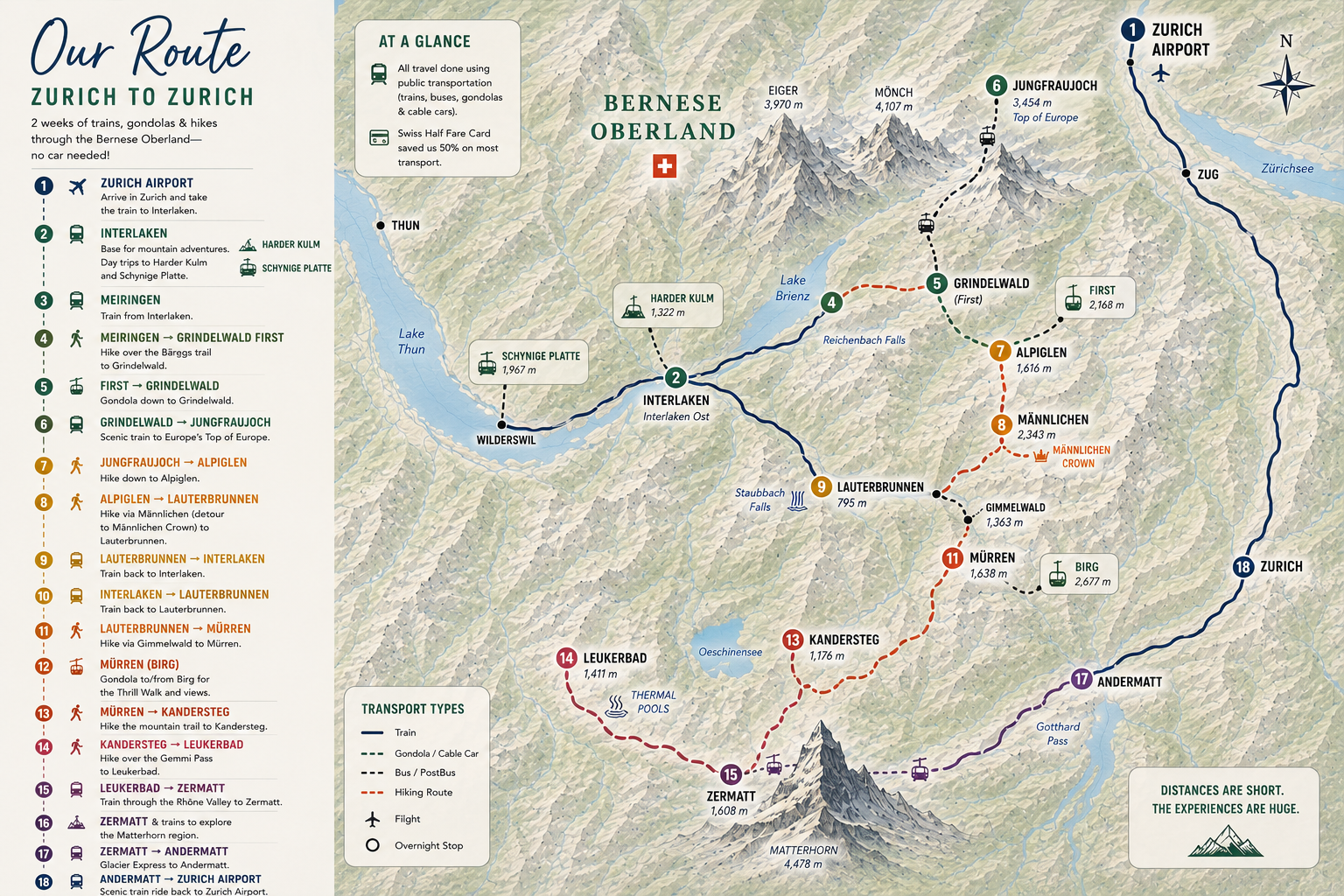
We flew into Zurich and travelled directly from the airport to Interlaken by train.
The train station is connected to Zurich Airport, so there was no need to arrange a separate shuttle or airport transfer. After collecting our luggage, we followed the signs to the railway station, searched for Interlaken in the SBB Mobile App and followed the suggested connections.
Depending on the departure you choose, the journey may involve one or more transfers. The app displays each train, departure time, platform and connection in order, which made the process easy to follow even after a long international flight.
Interlaken was a great place to begin our trip because it provided easy access to Meiringen, Grindelwald, Lauterbrunnen, Wilderswil and the rest of the Jungfrau Region. We also used it as a luggage and laundry base during our Bernese Oberland Traverse.
At the end of the trip, we returned to Zurich and stayed near the airport before flying home the following morning.
For fixed travel days such as Zurich Airport to Interlaken or Zermatt back to Zurich, it may be worth checking for discounted Saver Tickets. These are generally tied to a specific departure, so you trade some flexibility for the lower price.
Why We Didn’t Rent a Car
The more I planned our route, the less sense renting a car made.
We were travelling point-to-point rather than returning to one central base, and several of the places we wanted to visit—including Mürren and Zermatt—are car-free. A vehicle would have meant paying for parking, arranging somewhere to leave it during our seven-day hike and repeatedly backtracking to collect it.
Public transportation gave us far more freedom.
We could fly into Zurich, travel directly to Interlaken, hike across the Bernese Oberland and continue onward to Zermatt without ever worrying about where we had left a vehicle. On hiking days, trains and gondolas also gave us easy ways to shorten or alter a route when needed.
There was no navigating unfamiliar mountain roads, searching for parking or assigning someone to be the designated driver. We could simply sit down, watch the scenery and arrive close to our next hotel or trailhead.
Some of the train rides were also experiences in their own right, so using public transportation never felt like settling for the less convenient option. In most cases, it felt like the better one.
For this itinerary, I genuinely don’t think renting a car would have improved the trip.
How Public Transportation Works in the Bernese Oberland
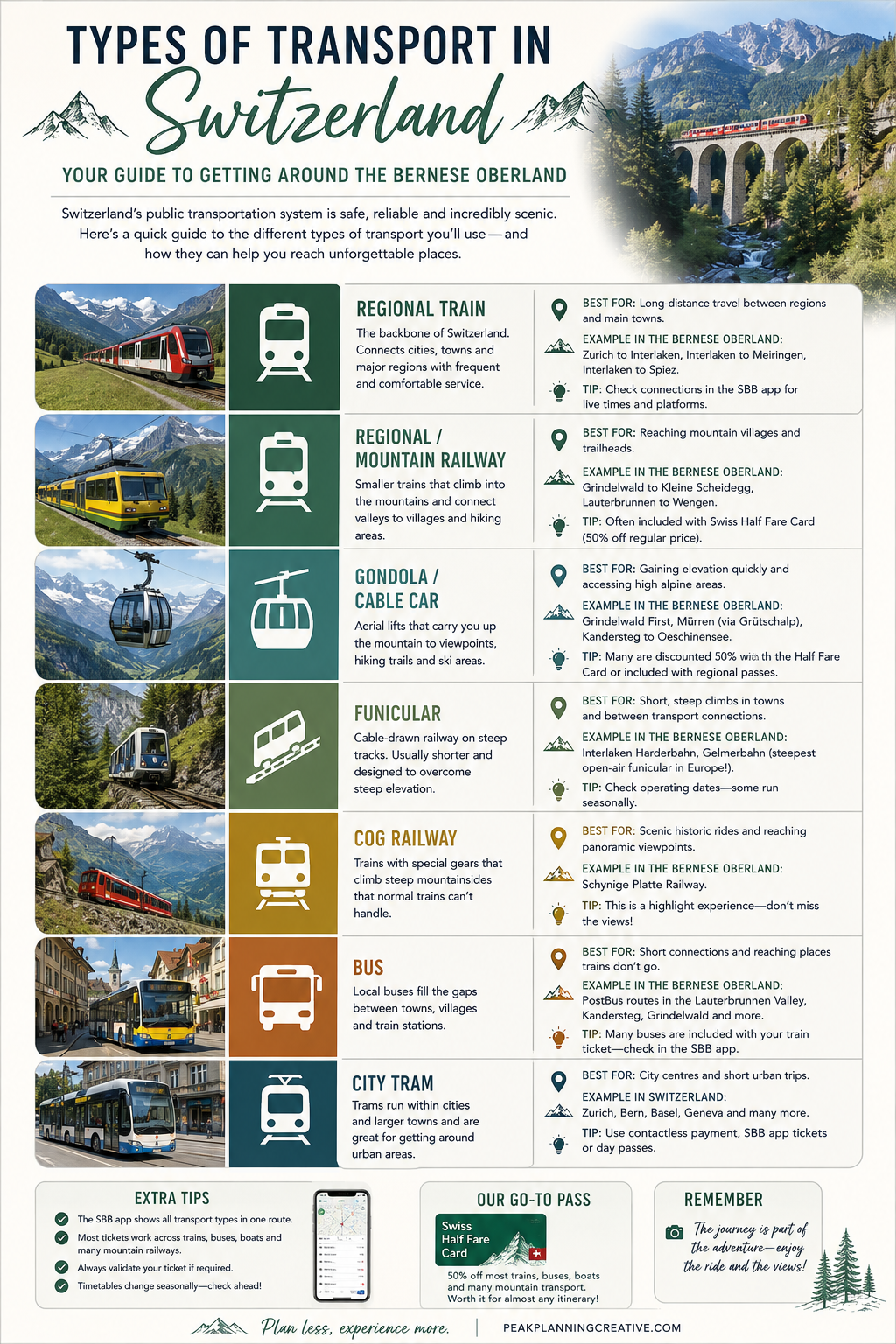
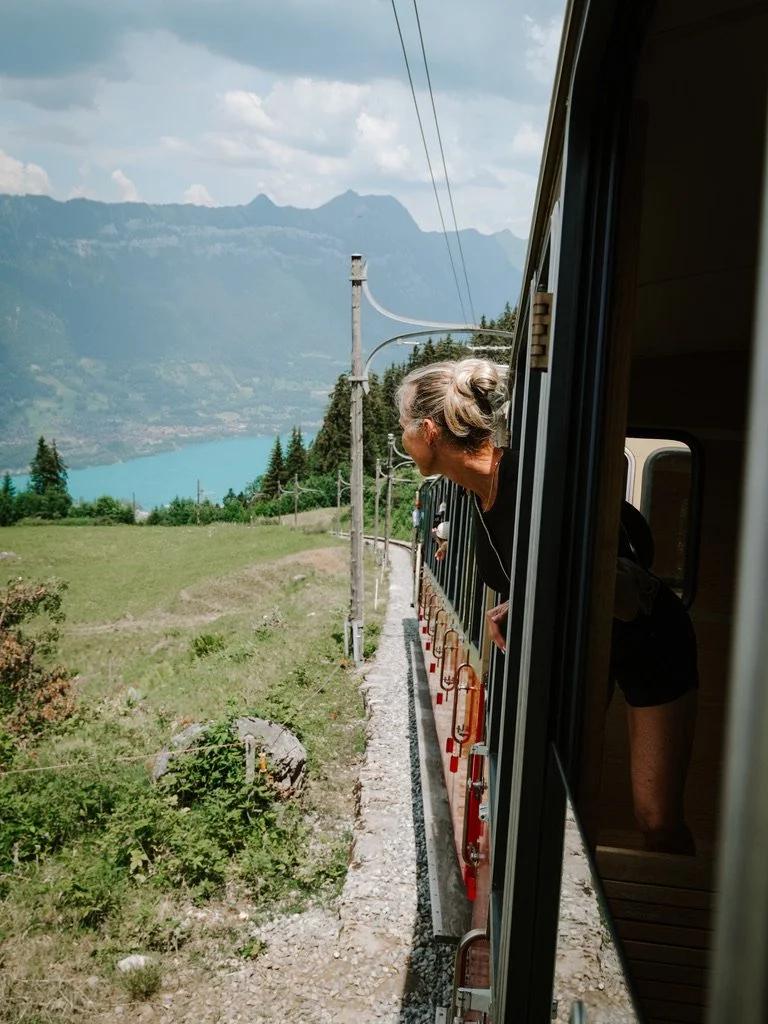
The Bernese Oberland transportation network includes much more than standard trains. A single journey may combine an SBB train, regional railway, bus, gondola and short walk—but the SBB app usually displays the entire route together.
Interlaken acts as one of the main transportation hubs. From there, you can travel toward Meiringen and Brienz in one direction or into the Jungfrau Region toward Lauterbrunnen and Grindelwald in the other.
Grindelwald provides access to First, Kleine Scheidegg and the Eiger area. Lauterbrunnen connects visitors with Wengen, Mürren, Gimmelwald and the Lauterbrunnen Valley. Wilderswil is the departure point for the historic Schynige Platte Railway.
It may look complicated when you first see the network map, but it became intuitive very quickly. We rarely needed to plan more than one journey ahead.
The SBB App (The MVP of Our Trip)
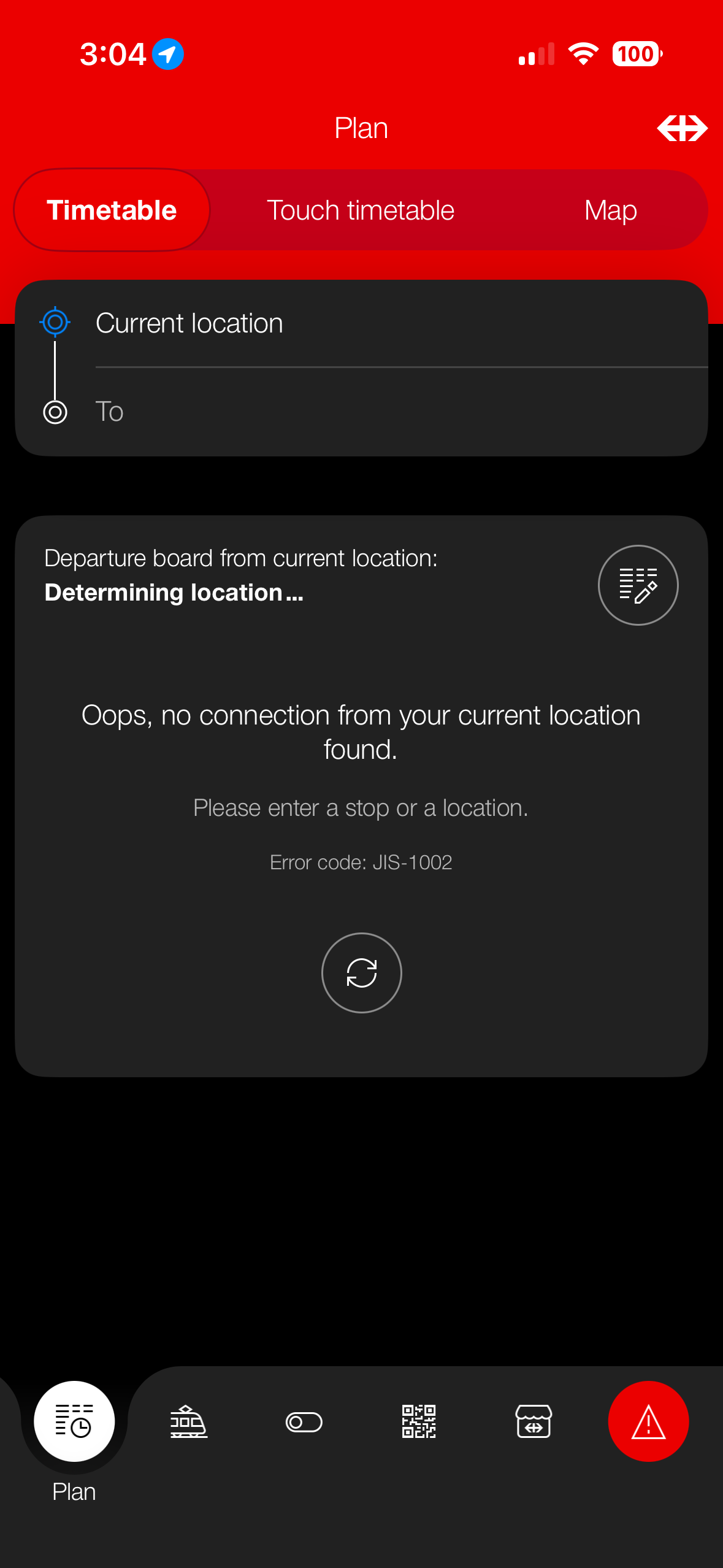
The SBB Mobile App quickly became one of the most-used apps on my phone.
We downloaded it, created our accounts and added our Swiss Half Fare Cards before leaving Canada. Once we arrived, we used the app multiple times every day to:
Search complete routes
Purchase tickets
Store digital tickets
Access our Swiss Half Fare Cards
Check departure platforms
View live delays and service updates
Compare different connections
Plan routes involving trains, buses and some mountain transportation
What impressed me most was how much of the journey could be planned in one place.
A trip through the Bernese Oberland might involve a standard train, a regional railway, a bus and a gondola, but the app usually showed the connections in sequence. We rarely had to piece together transportation from several different websites.
I also appreciated being able to purchase tickets as we went. Instead of committing to every departure weeks in advance, we could check the weather, adjust our hiking plan and buy the appropriate ticket when we were ready to travel.
SBB’s online and mobile services provide timetables, tickets and current transportation information across the Swiss public transit network.
Cassie’s Tip: Download the app, create an account and add your discount card before leaving home. It is much easier to troubleshoot anything before you arrive than while standing on a busy train platform with your luggage.
The Swiss Half Fare Card
Is the Swiss Half Fare Card Worth It?
For our itinerary, absolutely.
We purchased the Swiss Half Fare Card before leaving Canada and paid approximately $275 CAD each. It was valid for one month, which covered our full two-week trip.
The card provides half-price or reduced-price travel on much of Switzerland’s rail, bus and boat network, with reductions also available on many mountain railways and gondolas.
We used it for:
Travel between Zurich and the Bernese Oberland
Regional trains around Interlaken
Connections to Meiringen, Grindelwald and Lauterbrunnen
Mountain railways
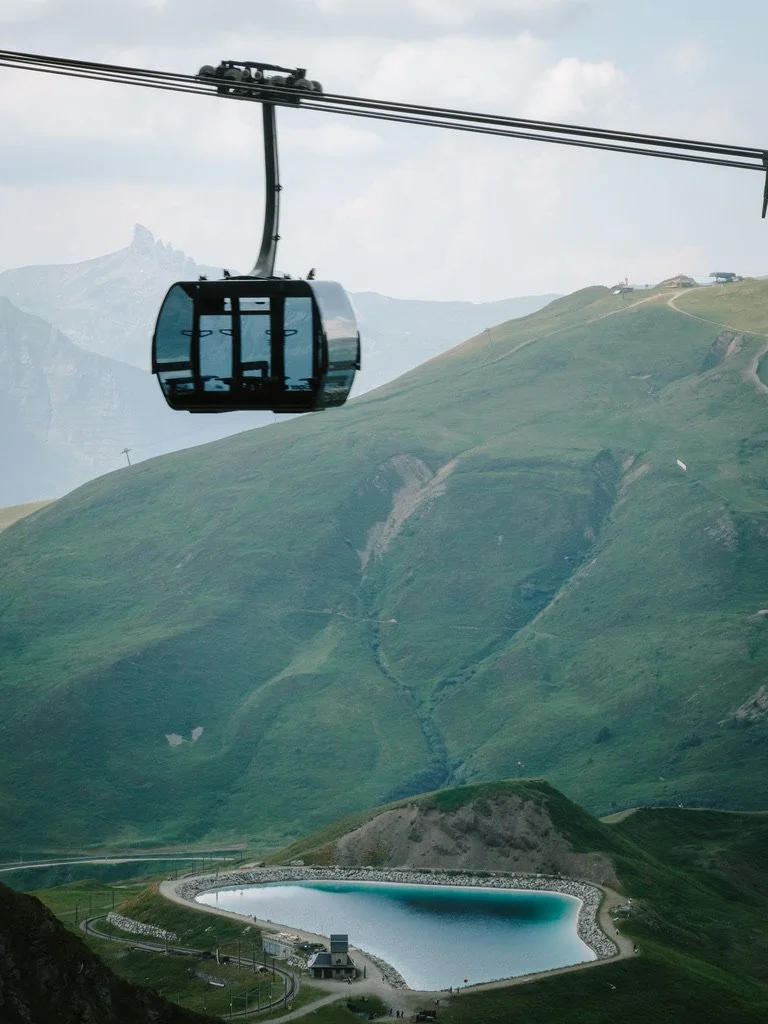
Gondolas and cable cars
Our Jungfraujoch excursion
Travel onward to Zermatt
Our return journey to Zurich
Because our trip included several expensive mountain excursions and frequent regional transportation, the card paid for itself.
It may not make sense for someone spending only a few days in one city or taking very few trains. However, if your itinerary includes multiple regions, mountain railways or day trips, it is worth adding up the regular ticket prices and comparing them.
One important distinction: the Swiss Half Fare Card for visitors is not the same product as the annual Half Fare Travelcard used by many Swiss residents. Make sure you purchase the tourist version that is valid for one month.
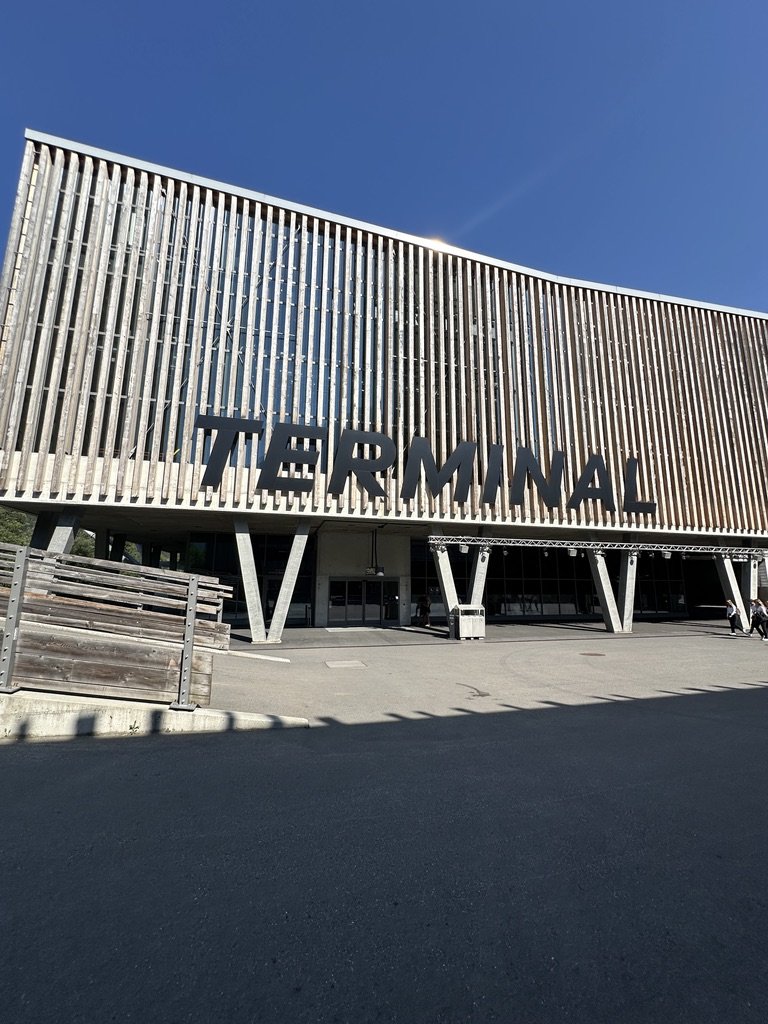
Getting Around the Bernese Oberland
The Bernese Oberland transportation system may look complicated on a map, but it became intuitive very quickly.
Interlaken is one of the main hubs. From there, you can travel east toward Brienz and Meiringen or continue into the Jungfrau Region toward Grindelwald and Lauterbrunnen.
Wilderswil is the departure point for the historic Schynige Platte Railway.
Grindelwald connects travellers with First, Kleine Scheidegg, Eigergletscher and the Eiger Express.
Lauterbrunnen provides access to Wengen, Mürren, Gimmelwald and the wider Lauterbrunnen Valley.
What makes the system so useful for hikers is that public transportation often intersects with the trails. A train, bus or gondola can help you:
Reach a trailhead
Shorten a long hiking day
Avoid a section in poor weather
Descend when your knees have had enough
Connect two separate hiking routes
Complete a point-to-point itinerary without retrieving a car
During our Bernese Oberland Traverse, we used transportation as part of the route rather than treating it as separate from the hike.
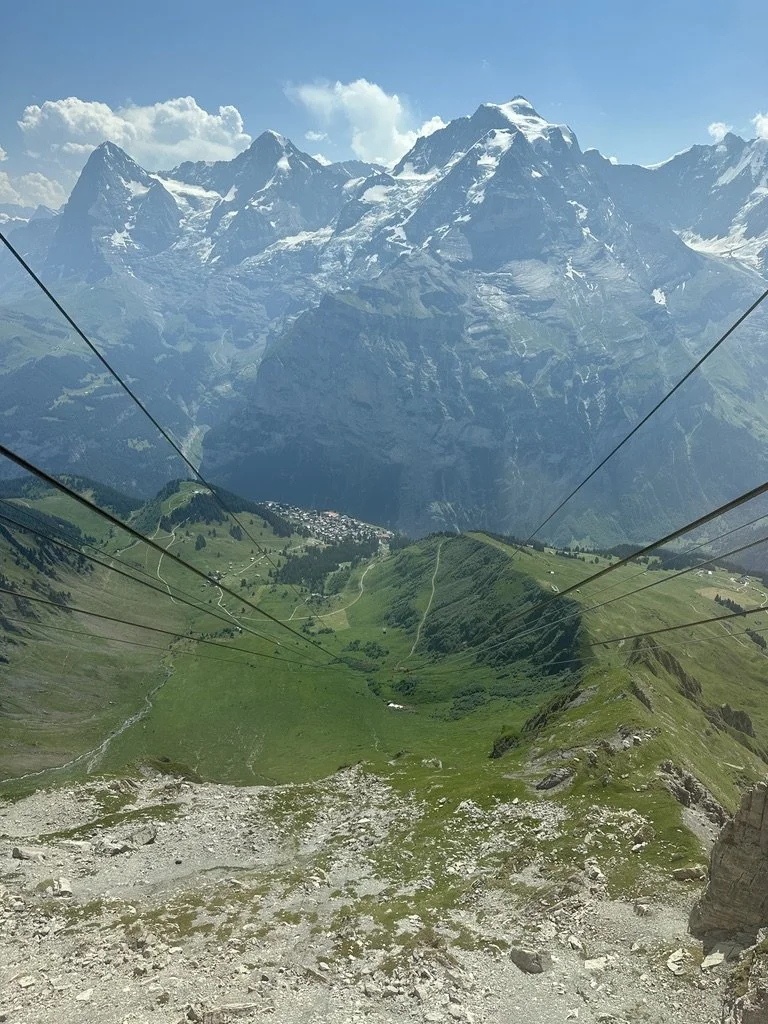
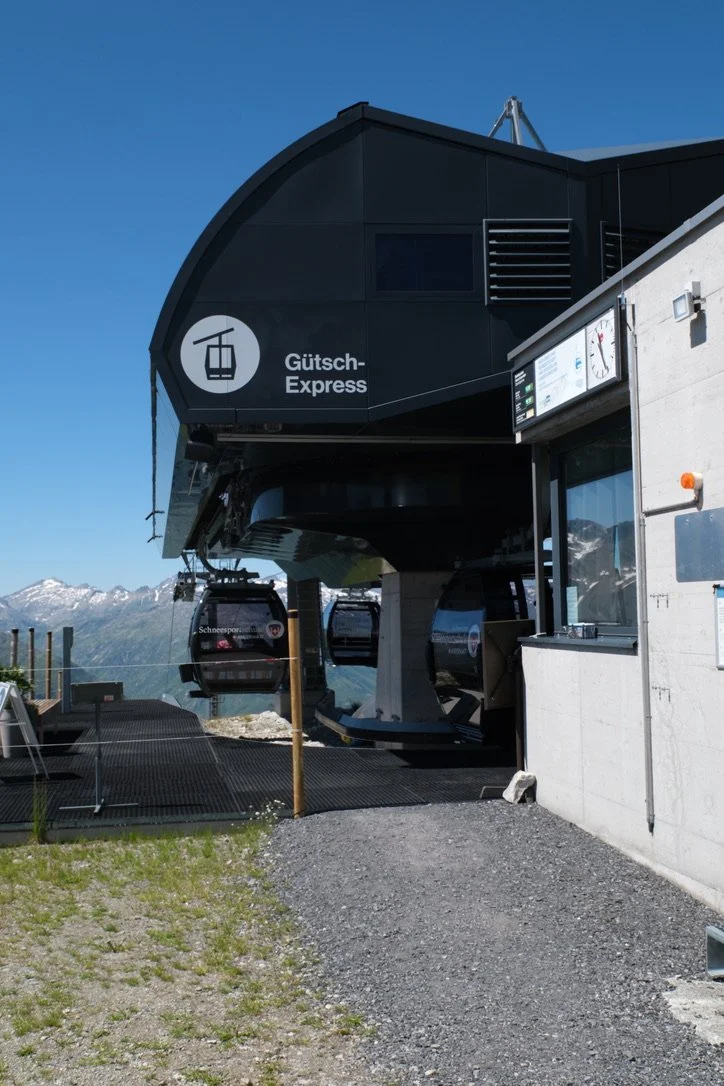
For example, we took the gondola from First down to Grindelwald, used trains to reconnect with our luggage in Interlaken and took the Gemmi cable car down to Leukerbad at the end of our final day.
That flexibility made the entire trip much easier to customize.
Travelling to Car-Free Villages
Some of Switzerland’s most memorable destinations cannot be reached by private car.
Mürren
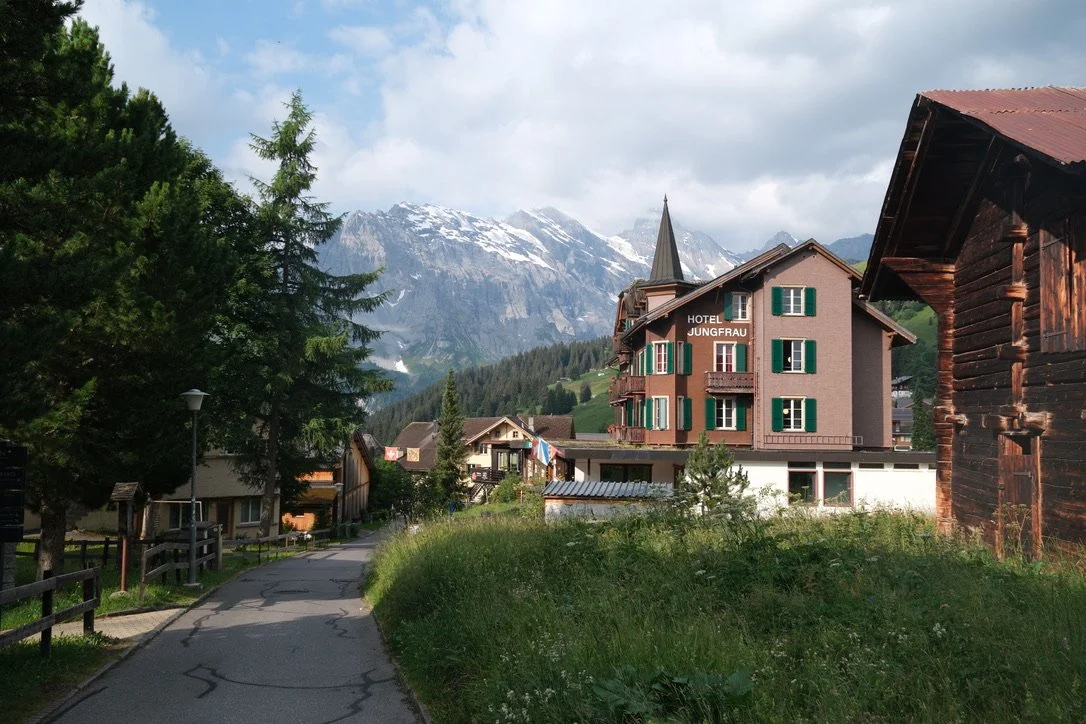
Mürren can be reached through the Lauterbrunnen side or the Stechelberg and Gimmelwald side.
A common route is to travel from Lauterbrunnen to Grütschalp by cable car and then continue to Mürren by mountain railway. You can also travel farther into the Lauterbrunnen Valley toward Stechelberg and reach Mürren through Gimmelwald.
We chose a third option and hiked there through the valley and Gimmelwald.
Wengen
Wengen is also car-free and is reached by train from Lauterbrunnen. This makes it easy to combine with Kleine Scheidegg, Männlichen or Jungfraujoch.
Zermatt
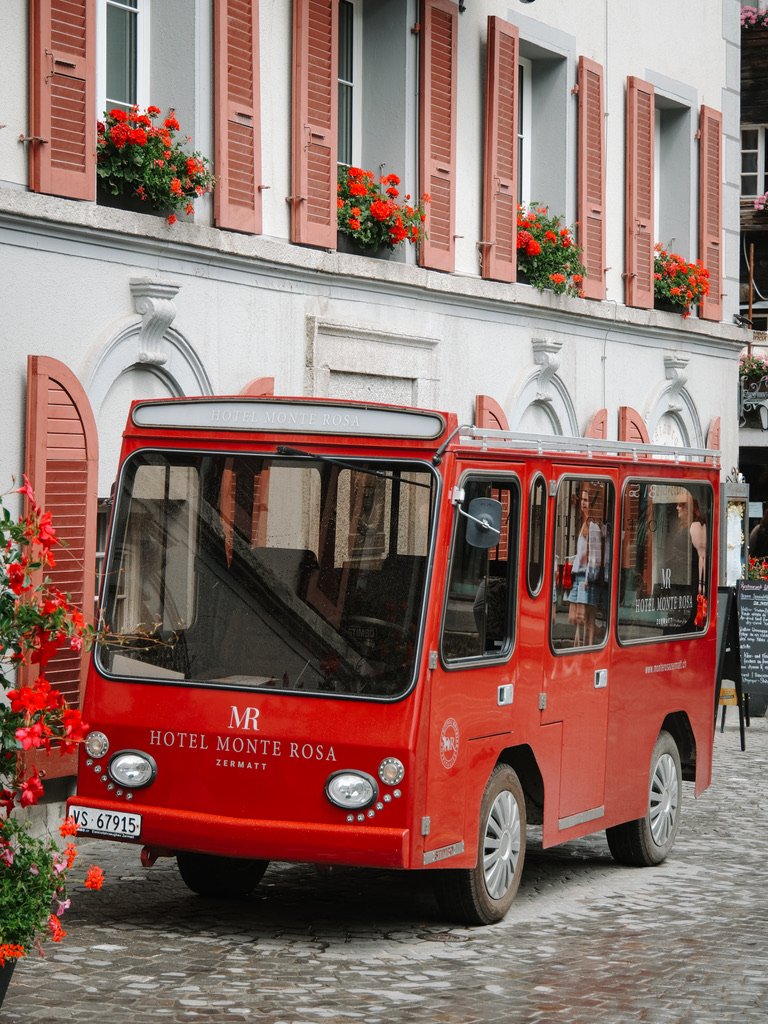
Private vehicles stop at Täsch. From there, visitors continue by train into Zermatt. Once in town, transportation is handled by walking, electric taxis, hotel shuttles, local buses and mountain lifts.
Rather than making these villages difficult to visit, the lack of cars was one of the things we liked most about them.
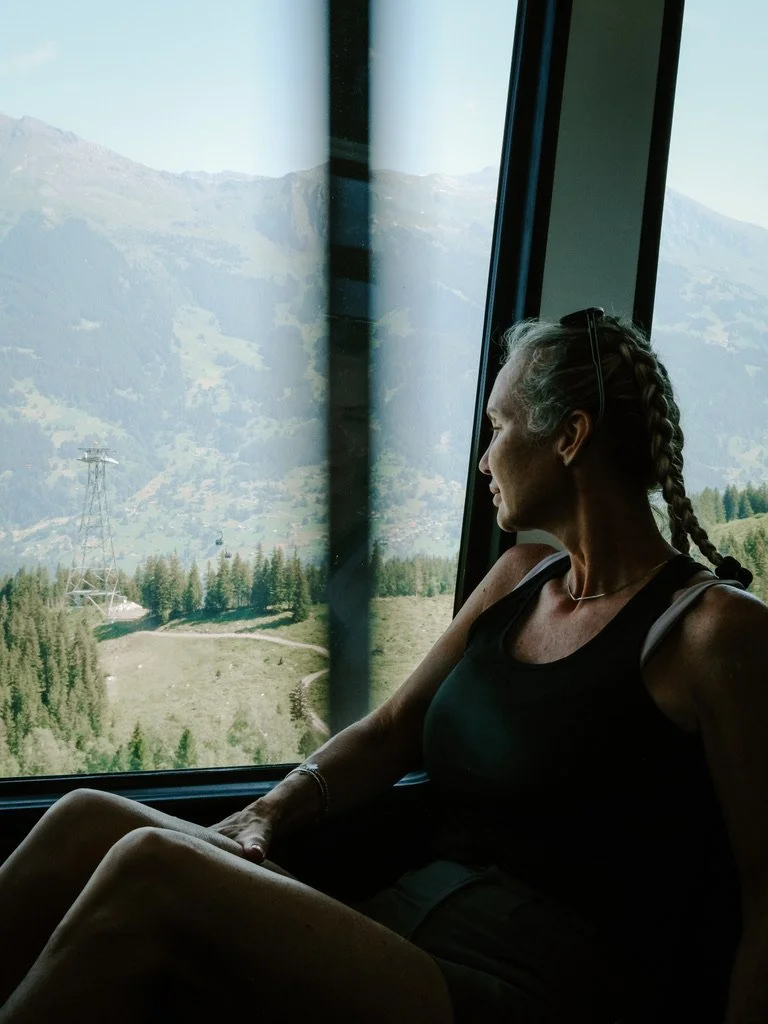
Jungfrau Region Tickets
There isn’t one ticket that is automatically best for every Jungfrau Region itinerary.
Your main options include:
Purchasing individual tickets
Combining individual fares with the Swiss Half Fare Card
Buying a Jungfrau Travel Pass
Purchasing destination-specific mountain tickets
The Jungfrau Travel Pass provides travel within the region for three to eight days, with Jungfraujoch available under its own applicable terms or connecting fare.
We chose not to buy the Jungfrau Travel Pass.
Our trip combined hiking with selective use of trains and gondolas, and we didn’t want to feel pressured to use transportation simply because we had already paid for an unlimited pass. We also had the Swiss Half Fare Card, which reduced many of the individual fares we did purchase.
Buying tickets as we went gave us more flexibility. On some days we hiked the entire route, while on others we used a gondola or train to connect sections or save our knees.
A regional pass may make more sense when:
You plan to use several mountain railways each day
You are taking frequent day trips from one base
You prefer having one ticket instead of purchasing individual fares
You have a fixed itinerary with several included routes
Individual fares may be better when:
Most of your trip is spent hiking
Your plans depend heavily on the weather
You only intend to take one or two major mountain excursions
You already have the Swiss Half Fare Card
The best option is to map out your likely transportation first and compare the totals before buying.
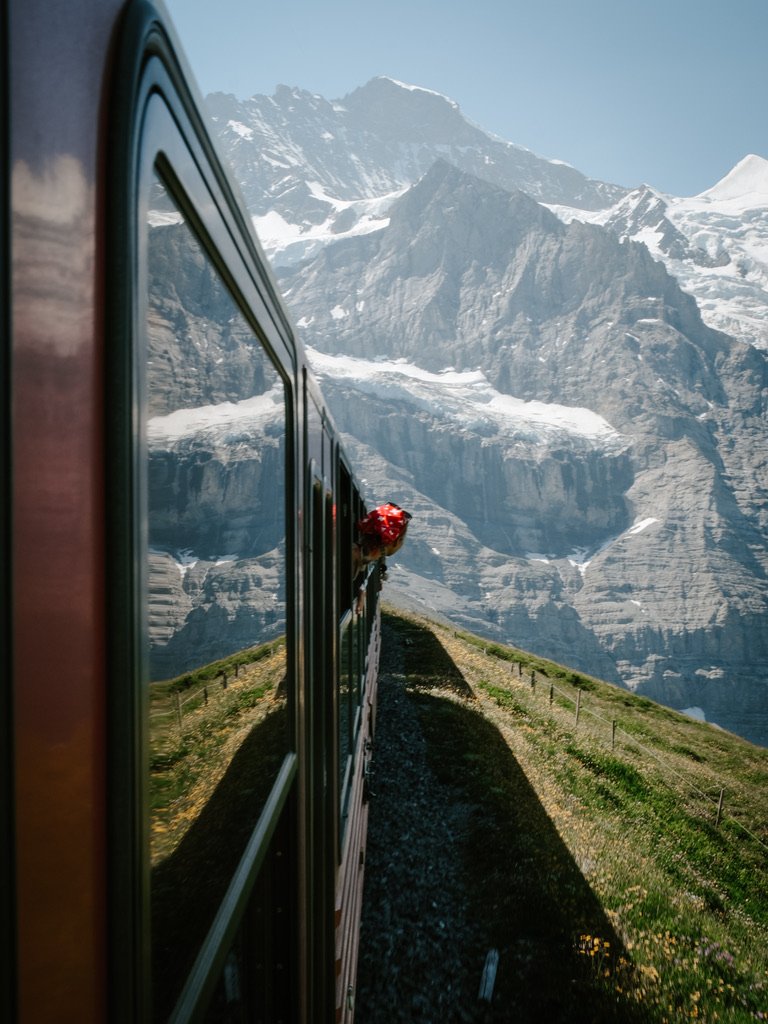
Peak Pass vs Individual Tickets (Zermatt)
Zermatt was the one place where we decided a regional pass made sense.
We purchased a two-day Peak Pass, which worked perfectly for the activities we had planned. We used it to access the mountain transportation for the Five Lakes Trail and Matterhorn Glacier Paradise while retaining the flexibility to choose which experience we did on each day based on the weather.
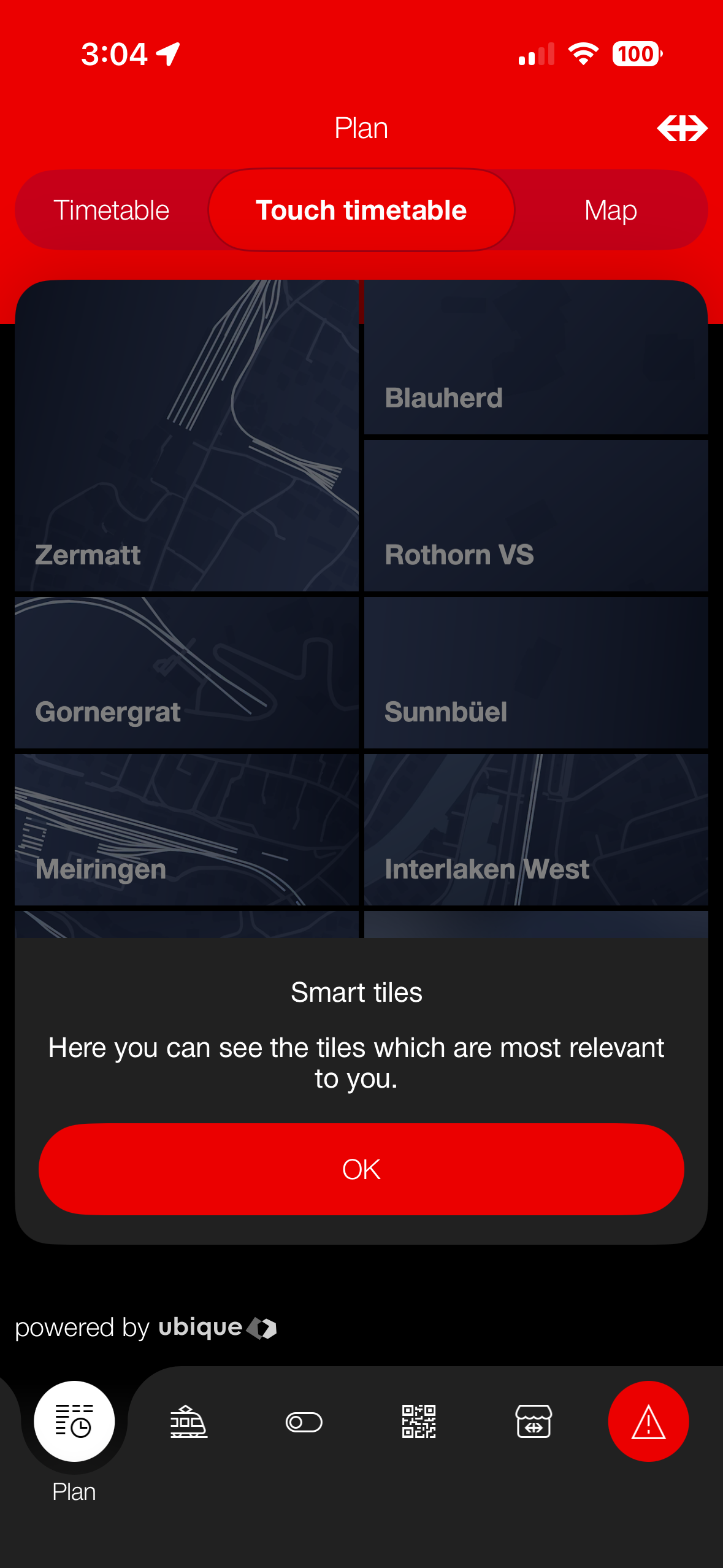
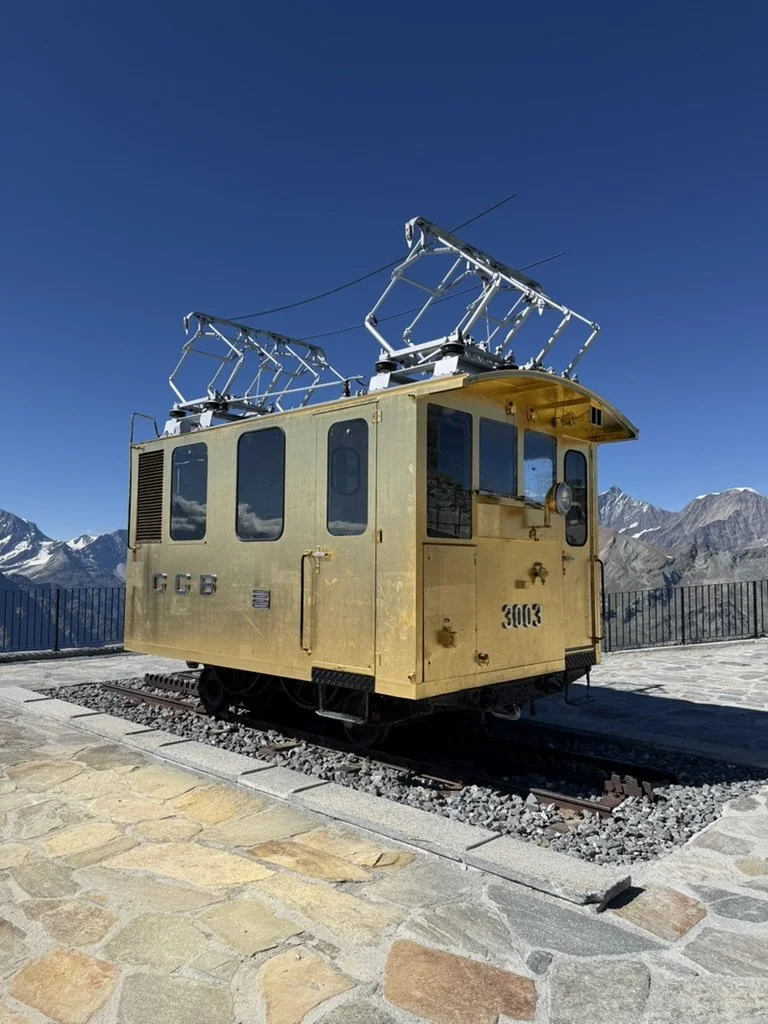
The Peak Pass includes unlimited scheduled travel on several of Zermatt’s major mountain routes, including connections toward Matterhorn Glacier Paradise, Sunnegga, Blauherd, Rothorn and Gornergrat. It also includes Glacier Palace admission, local bus use and the Matterhorn Gotthard Bahn between Randa, Täsch and Zermatt.
For us, the two-day option was ideal because we knew we would use several higher-priced lifts within a short period.
Before purchasing one, compare the pass price with the exact single and return tickets you expect to use. The pass offers the most value when you are visiting multiple mountain areas rather than taking one simple return trip.
Read my full Zermatt Travel Guide for our three-day itinerary, hiking recommendations and honest thoughts on which experiences were worth the cost.
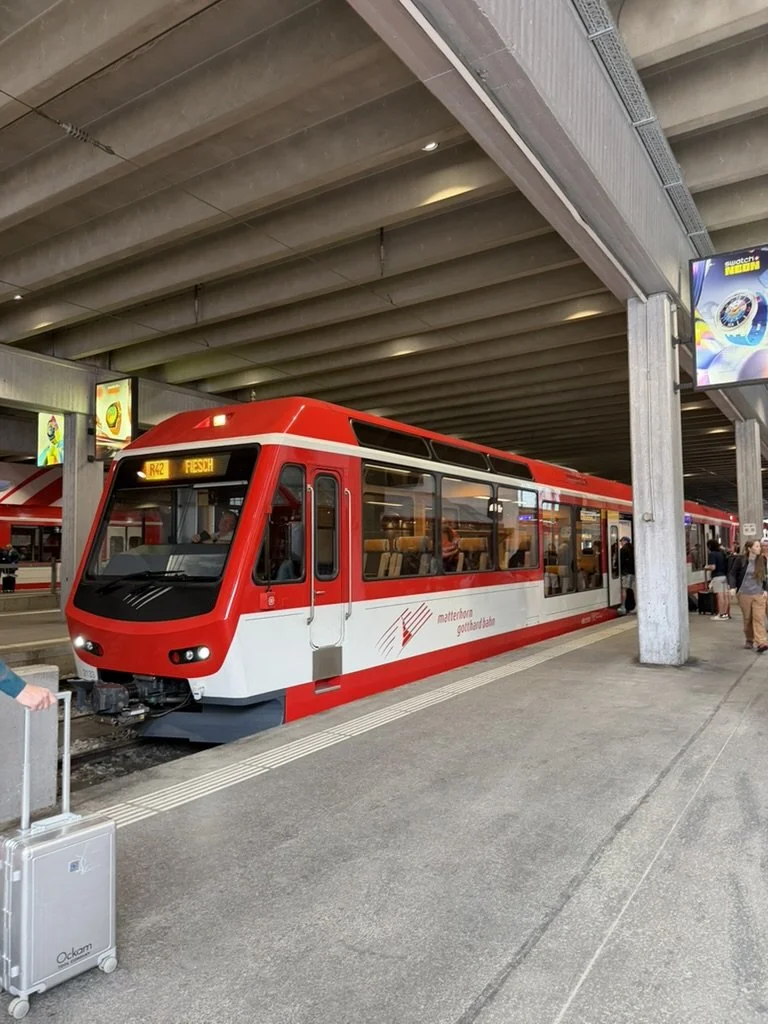
How We Used SBB Luggage Transfer
SBB’s luggage service was one of the most useful parts of our trip.
We were travelling for two weeks but didn’t want to carry two weeks of clothing and camera gear through the Bernese Oberland.
Our solution was to leave our main luggage at Hotel Lötschberg in Interlaken when we began the first section of our traverse. We reunited with it after Day 3, did our laundry, reorganized our bags and then sent the main luggage ahead to Zermatt.
We booked the transfer online before leaving Canada. The total was approximately $235 CAD, or roughly $117 per person.
From there, we continued hiking with lightweight day packs containing only:
A few changes of clothing
Toiletries
Snacks
Camera gear
Chargers
A sleeping bag liner
Our daily hiking essentials
Our luggage was waiting for us when we reached Zermatt.
SBB offers several luggage services, including station-based and door-to-door options, but destinations, delivery times and eligibility vary. Check the current service details carefully before building the transfer into your itinerary.
Should You Prebook Transportation in Switzerland?
We didn’t prebook most of our transportation.
We travelled in late June and early July and purchased almost all of our standard train, bus and regional tickets as we went. This gave us the freedom to change plans based on the weather, trail conditions and how we were feeling.
For hiking trips, that flexibility is valuable. There is little benefit in committing to an expensive mountain excursion on a day when the summit is completely hidden by clouds.
I would consider booking ahead for:
Jungfraujoch during the busiest summer periods
Popular reserved panoramic trains
Mountain excursions on summer weekends
Any journey with mandatory seat reservations
Discounted Saver Tickets on fixed travel days
Transportation tied to a flight or firm hotel reservation
We booked our luggage transfer before the trip because it was a key part of our logistics.
For regular trains and most of our regional connections, purchasing tickets through the SBB app on the day worked well.
Our Favourite Train Journeys
Schynige Platte Railway
This was easily one of my favourites.
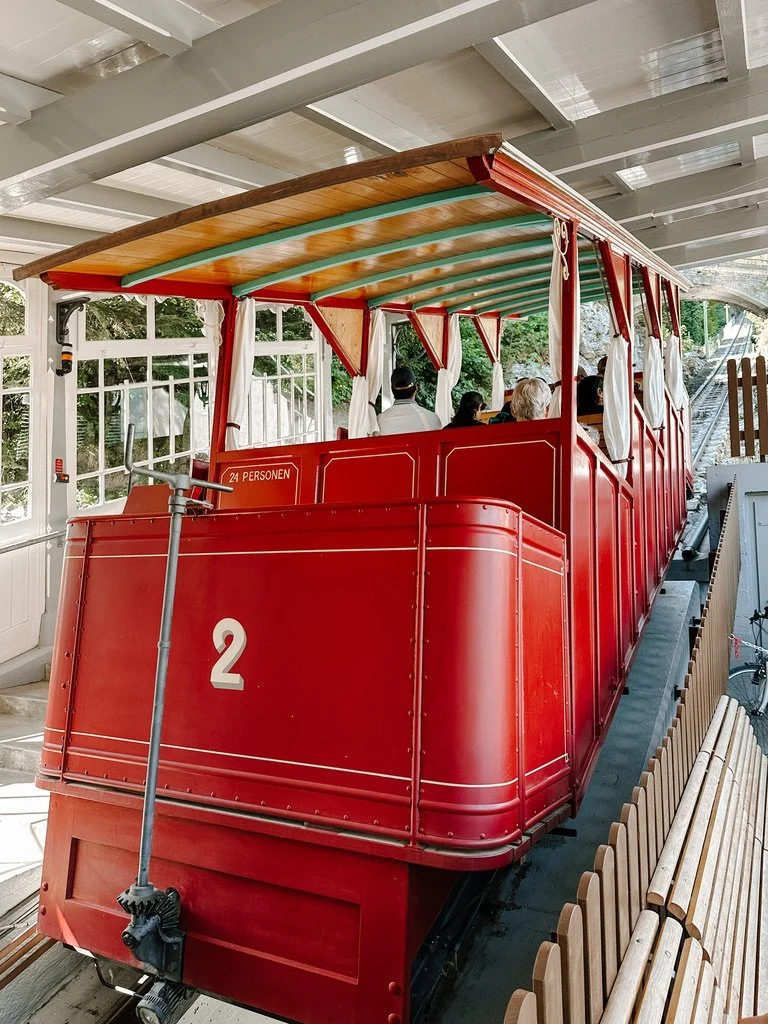
We visited Schynige Platte without many expectations, but the historic cogwheel train ride became part of what made the day so memorable. The slow climb through the forest and alpine meadows gave us beautiful views over Interlaken and the surrounding lakes before we had even started hiking.
Combined with the Panorama Trail and Oberberghorn, this became one of the best day trips of our entire stay.
The Journey to Jungfraujoch
The trip to Jungfraujoch feels like part transportation and part attraction.
Travelling higher into the mountains before continuing through tunnels carved into the rock made the journey feel completely different from a regular train ride. Arriving at Europe’s highest railway station was an experience in itself.
Our Honest Thoughts on the Glacier Express
The Glacier Express is one of Switzerland’s most famous train journeys, so we were excited to try it.
We booked first-class seats from Zermatt to Andermatt and paid approximately $200 CAD each.
The train was comfortable, the large windows were nice and the scenery was beautiful.
Would I do it again? No.
After two weeks of travelling by regular Swiss trains and hiking through the Alps, the views didn’t feel dramatically better than what we had already experienced. The journey also felt long, and I found myself wishing we had spent the money on another mountain hut, spa day or hiking experience instead.
The most interesting part of the day ended up being Andermatt, where we got off the train. It was a surprisingly cool mountain town and somewhere I would happily return to explore more.
I understand why the Glacier Express appeals to travellers who want to see a large amount of alpine scenery without hiking. For our style of travel, however, the regular rail network offered enough scenery, comfort and flexibility.
My advice: take the normal trains and put the savings toward an experience that gets you out into the mountains.
Tips We Learned Along the Way
Register for SBB before leaving home
Set up your account, download the app and add your discount card before your trip.
Keep your phone charged
Your phone may hold your tickets, discount card, hotel information, maps and transportation schedule. I carried a TORRAS power bank every day.
Pay attention to station names
Some towns have multiple stations, terminals or cable-car departure points. Double-check that you are travelling to the correct one.
Don’t panic over short connections
Swiss itineraries sometimes show connections that look very tight. Stations are usually well organized, and connecting services are often scheduled with one another in mind.
Still keep an eye on the platform
Efficient doesn’t mean infallible. Check live platform information before boarding.
Pack snacks
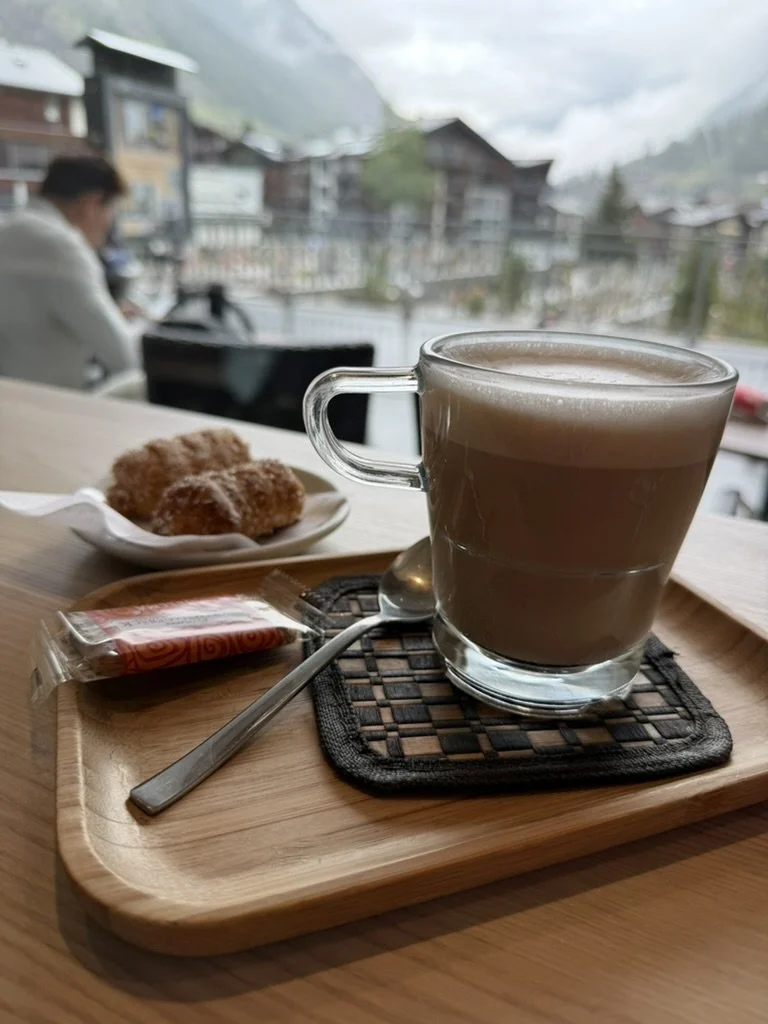
Connections are generally smooth, but hiking and travel days can be long. Having food in your bag prevents a missed café stop from becoming a crisis.
Check the last descent
Mountain gondolas and railways may stop operating earlier than standard trains. Always check the final departure before committing to a hike or viewpoint.
Let the weather influence expensive excursions
For places such as Jungfraujoch or Matterhorn Glacier Paradise, check the forecast and webcams before purchasing a same-day ticket when possible.
Screenshot key information
Mobile service was generally good, but screenshots of tickets, hotel details and route information provided useful backup.
Frequently Asked Questions
Do you need a car to travel around Switzerland?
No. For popular regions such as the Bernese Oberland and Zermatt, trains, buses, gondolas and cable cars can take you almost everywhere most visitors want to go.
A vehicle may be useful for a remote rural itinerary outside the primary transit network, but it was unnecessary for our trip.
Is it easy to reach the Bernese Oberland from Zurich Airport?
Yes. Zurich Airport has its own railway station, and the SBB app will show the full journey to Interlaken and any required connections.
Is the SBB Mobile App worth downloading?
Absolutely. We used it every day to search routes, buy tickets, check platforms and access our Swiss Half Fare Cards.
Is the Swiss Half Fare Card worth it?
It was for us. Our itinerary included regular intercity travel, regional trains, mountain railways, gondolas and high-priced excursions. Someone taking only a few short journeys may not save enough to justify it, so compare your expected fares first.
Should I buy the Jungfrau Travel Pass?
It depends on how frequently you plan to use transportation.
The pass can offer value when you are taking multiple included trains and mountain journeys over several consecutive days. Because we spent much of our time hiking and already had the Half Fare Card, individual tickets gave us more flexibility.
Do standard Swiss trains require reservations?
Most of the regular trains we used did not require seat reservations. Certain panoramic services and special routes may have separate reservation requirements, so always check the conditions attached to your specific train.
Can I take luggage on Swiss trains?
Yes. We travelled with our larger bags on standard travel days without an issue. You are generally responsible for carrying and storing your own luggage, so packing something you can manage on stairs and platforms is still important.
Can luggage be sent ahead?
Yes, on eligible routes and between participating locations.
We used SBB’s luggage service to send our bags from Interlaken to Zermatt while we continued hiking with day packs.
Can you drive to Mürren or Zermatt?
Not by private vehicle. Mürren is reached by mountain transportation or on foot. Drivers heading to Zermatt leave their vehicle in Täsch and continue by train.
Should mountain gondolas be booked ahead?
Not always. We bought most of our tickets as we went, but booking ahead may be helpful during the busiest summer weeks, on weekends or when reservations are required.
What happens if the weather changes?
This is where Switzerland’s transportation system becomes especially useful.
You can often alter the day, shorten a hike, descend by gondola or substitute a lower-elevation activity. Buying many of our tickets as we went gave us room to adjust.
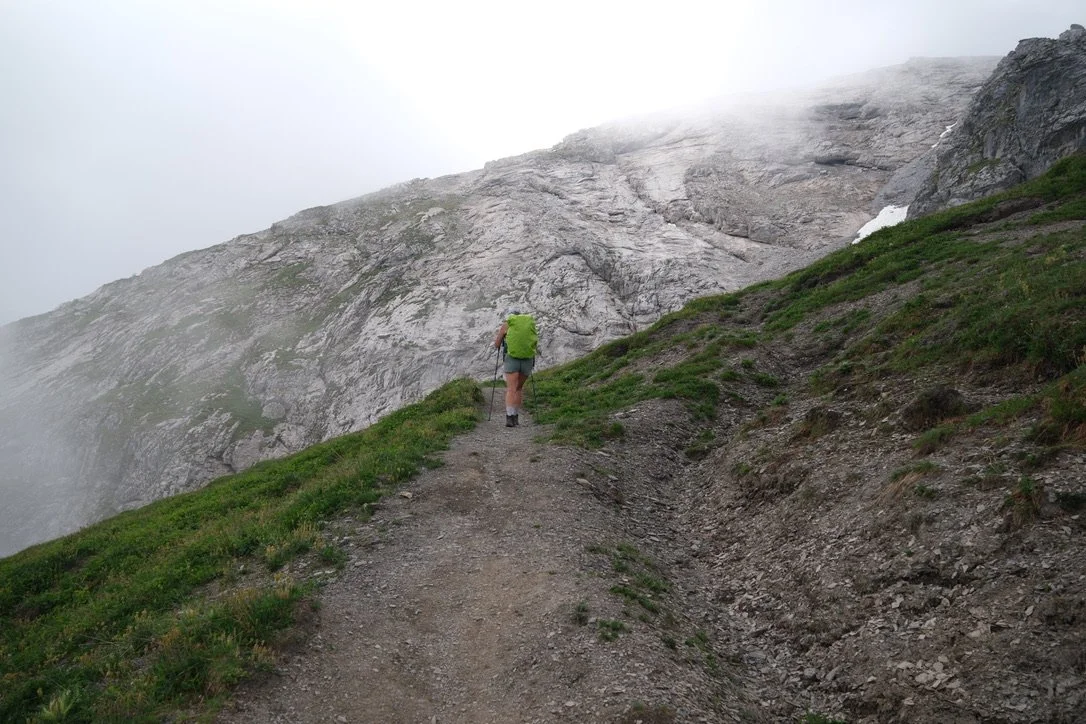
Looking back, travelling without a car was one of the easiest decisions of the trip.
It allowed us to follow a point-to-point hiking route, stay in car-free villages, send our luggage ahead and continue from the Bernese Oberland to Zermatt without ever backtracking for a vehicle.
More importantly, public transportation became part of the experience rather than something we simply used between destinations.
When I return to Switzerland, I’ll happily do it the same way.
Interested in the Ultimate Swiss Adventure?
Check out our complete Switzerland Guide and get ready for the trip of a lifetime!