Novaa Lab Red Light Therapy Review: Why It Became Part of My Recovery Routine
There’s a big difference between training hard and recovering well.
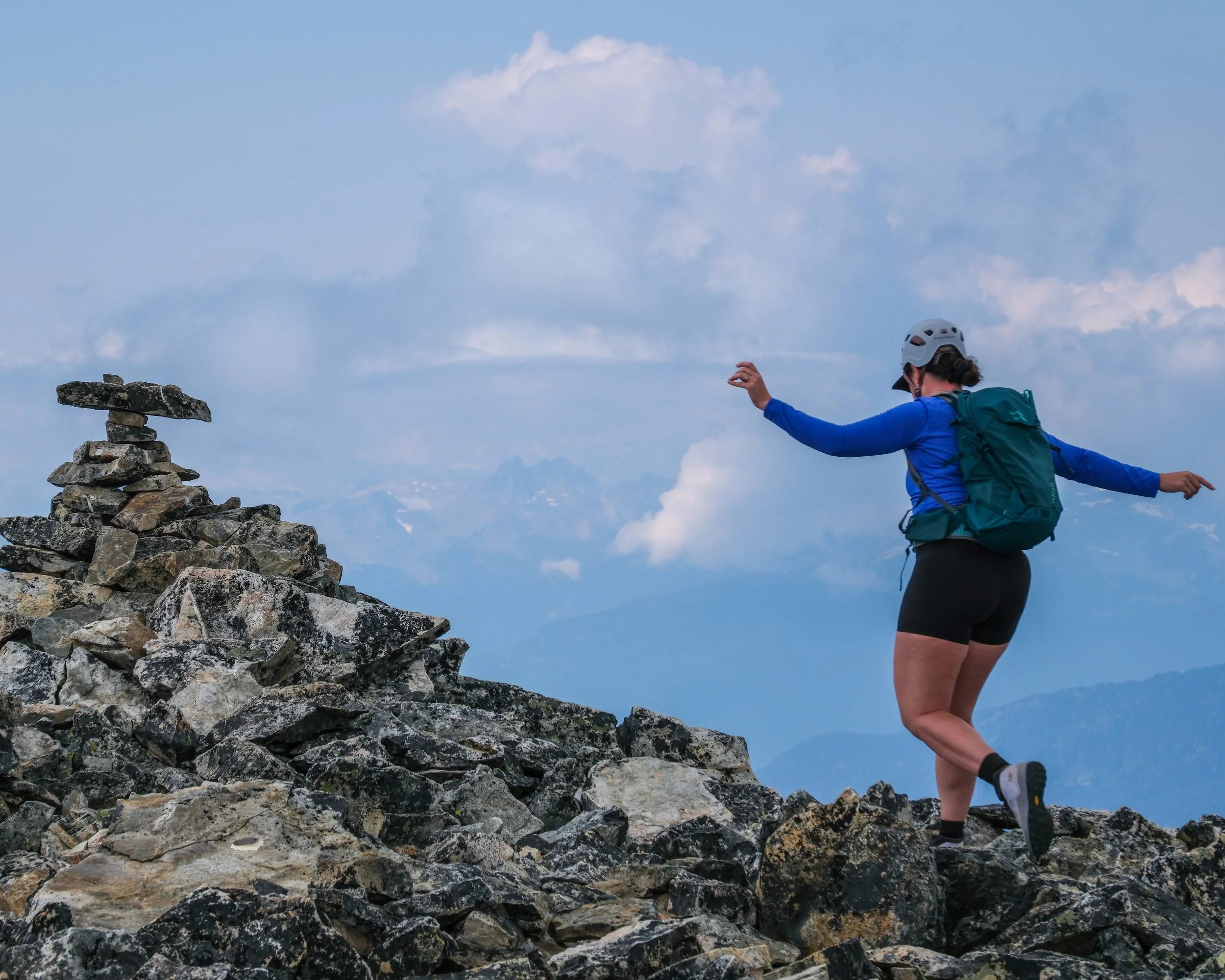
Over the last year, as I’ve been rebuilding strength postpartum, increasing mileage again, and getting back into bigger mountain days, I’ve realized recovery can’t just be an afterthought anymore. When your weekends regularly involve 10–20 km hikes, over 1000 meters of elevation gain, carrying kids or overnight gear, and trying to balance strength training and running on top of it all… eventually your body starts asking for better support.
For me, that showed up as recurring shin splints, ankle pain, tight calves, and the kind of lingering soreness that never fully seemed to go away.
That’s what led me to start looking more seriously at recovery tools beyond just stretching and rest days — and eventually to red light therapy.
I’ll be honest: I was skeptical at first.
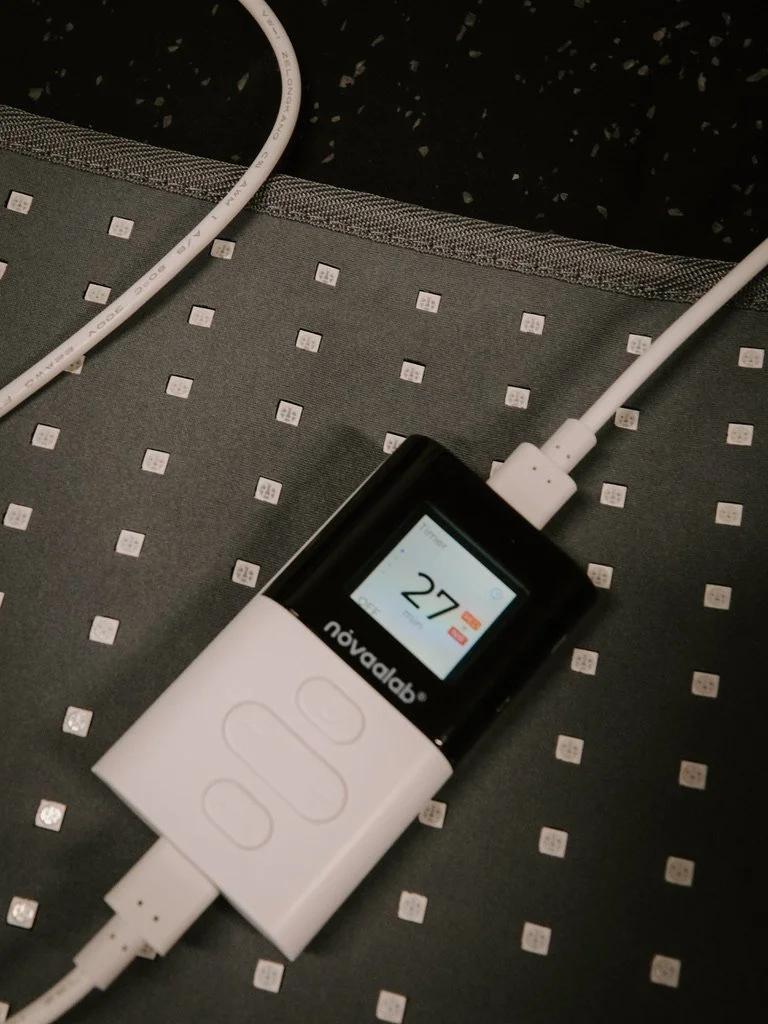
But after both my sports doctor at Suman Mountain Sport & Spine and my physio at Cascade Physio recommended looking into it, I started researching medical-grade at-home options and eventually landed on the Novaa Lab Light Pad.
And honestly? It’s become one of the most-used recovery tools in our house.
What is Red Light Therapy?
Red light therapy (RLT) and near-infrared (NIR) therapy use specific wavelengths of light that penetrate the skin and tissues to support cellular recovery and reduce inflammation.
While it sounds a little futuristic, there’s actually growing research around its use for:
Muscle recovery
Joint pain and inflammation
Improved circulation
Tissue repair
Recovery from training stress
Chronic pain management
The key difference with near-infrared light is that it penetrates deeper into muscles and joints compared to standard red light alone.
For endurance athletes, hikers, runners, or honestly anyone dealing with soreness and overuse, it can become a really helpful addition to a recovery routine.
Why I Chose the Novaa Lab Light Pad
After going down a pretty deep research rabbit hole, I wanted something that:
Felt easy to use consistently
Was powerful enough to actually make a difference
Could target specific problem areas
Was realistic for busy life at home with kids
The flexible light pad ended up making the most sense for me.
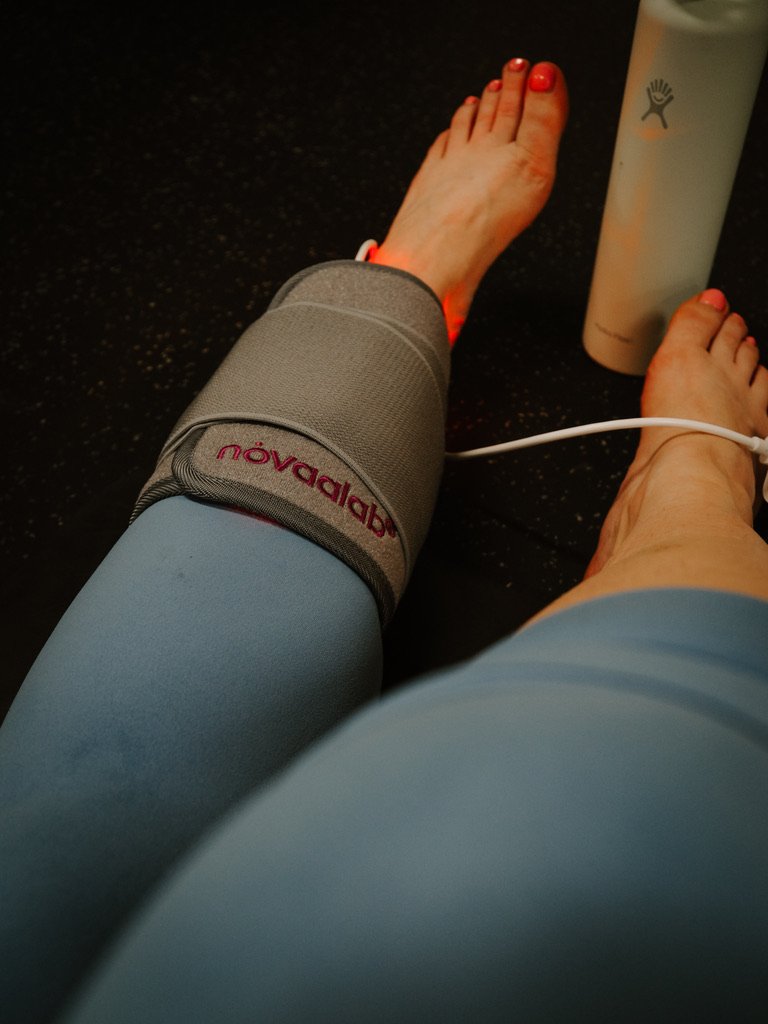
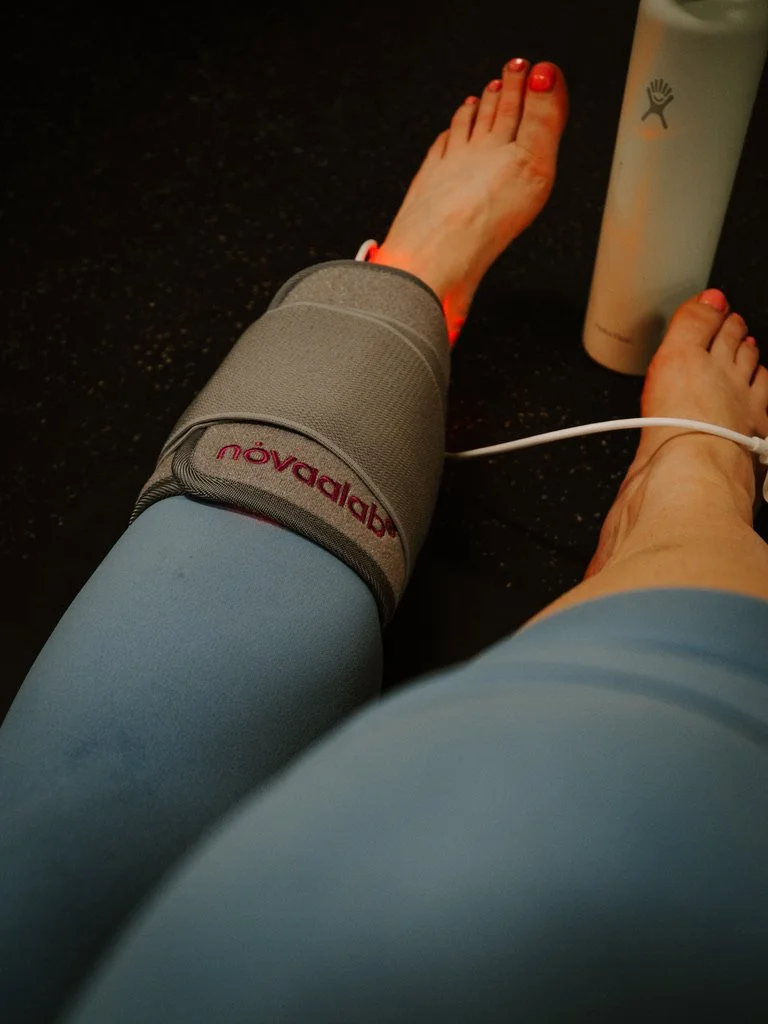
Unlike larger panels, the pad wraps directly around the area you want to treat — which has been perfect for my ankles, calves, shins, knees, and lower back after long days on trail.
It’s also incredibly easy to work into daily life.
I’ll often use it:
While reading
During evening recovery time
After workouts
While answering emails
Before bed after a big mountain day
Instead of feeling like “one more thing,” it’s honestly become one of the easiest recovery habits to stay consistent with.
What I’ve Personally Noticed Since Using It
I never want to oversell wellness products, especially in the recovery space, but I can genuinely say I’ve noticed a difference.
The biggest things for me have been:
Less lingering ankle soreness
Reduced tightness in my calves and shins
Faster recovery after long hikes
Better consistency in training
Less inflammation overall
It’s also been surprisingly helpful mentally.
Recovery used to feel reactive for me — only slowing down once something hurt. Now it feels much more proactive. Spending even 20 minutes intentionally recovering has helped me feel more prepared heading into bigger training weeks.
Matt has also been using the pad regularly while training for his 100-miler this season, and it’s been getting a LOT of use around here lately.
Recovery Lets Me Keep Doing What I Love
At the end of the day, that’s really what this all comes back to.
I don’t care about optimizing recovery just for the sake of optimization.
I care because I want to:
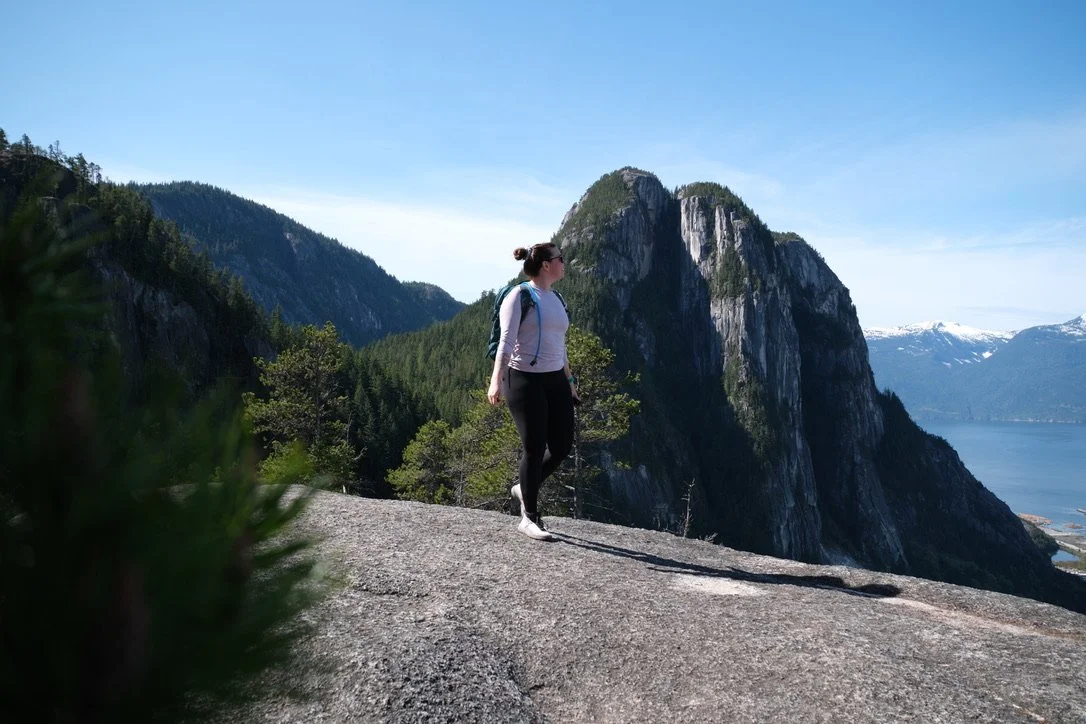
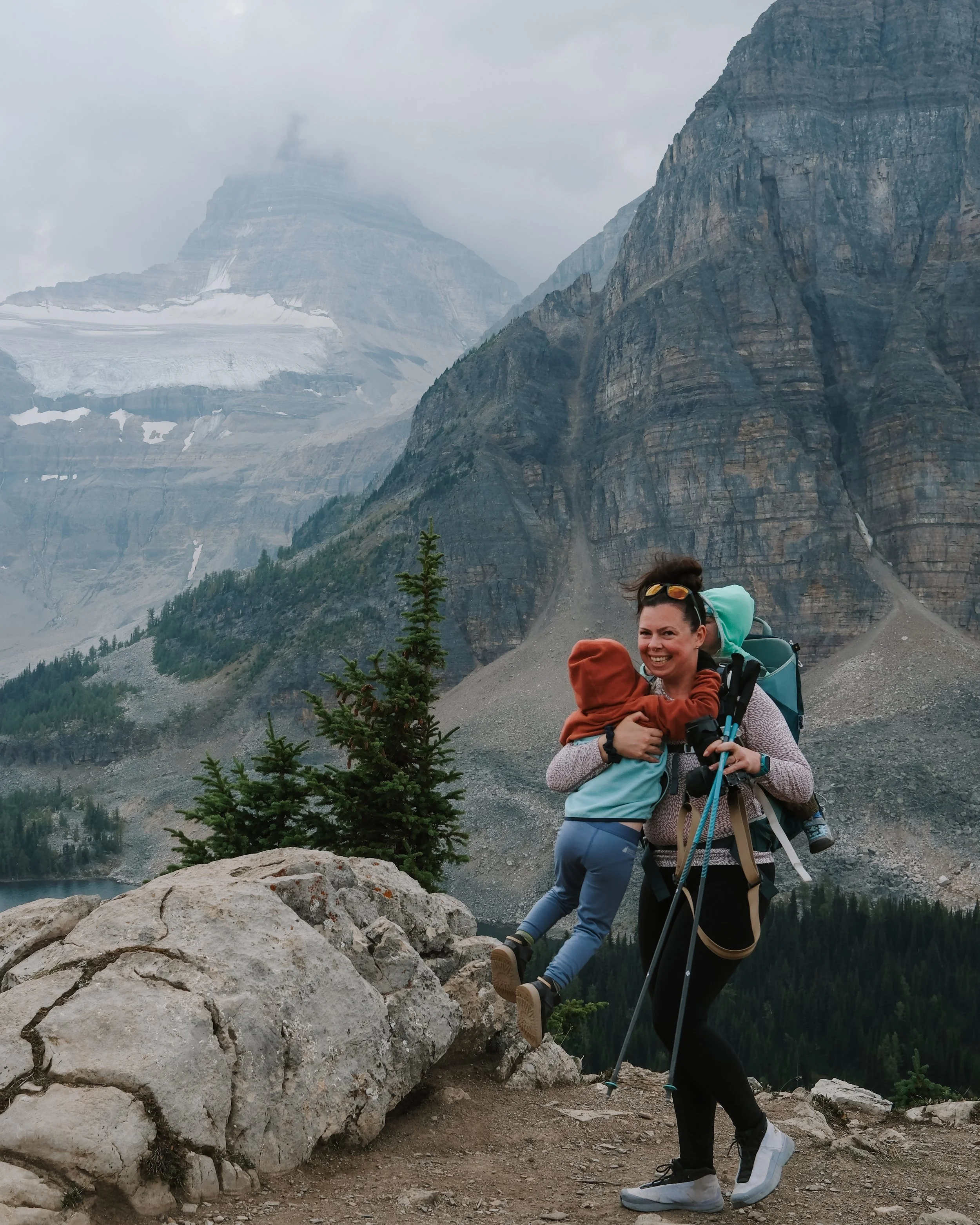
Keep hiking big trails with my family
Keep exploring alpine lakes and mountain passes
Keep trail running
Keep carrying my kids into beautiful places
Keep saying yes to adventure seasons that feel big and exciting
The better I recover, the more consistently I’m able to show up for all of it.
And while red light therapy isn’t some magic fix on its own, it’s become a really valuable piece of the bigger picture alongside:
Strength training
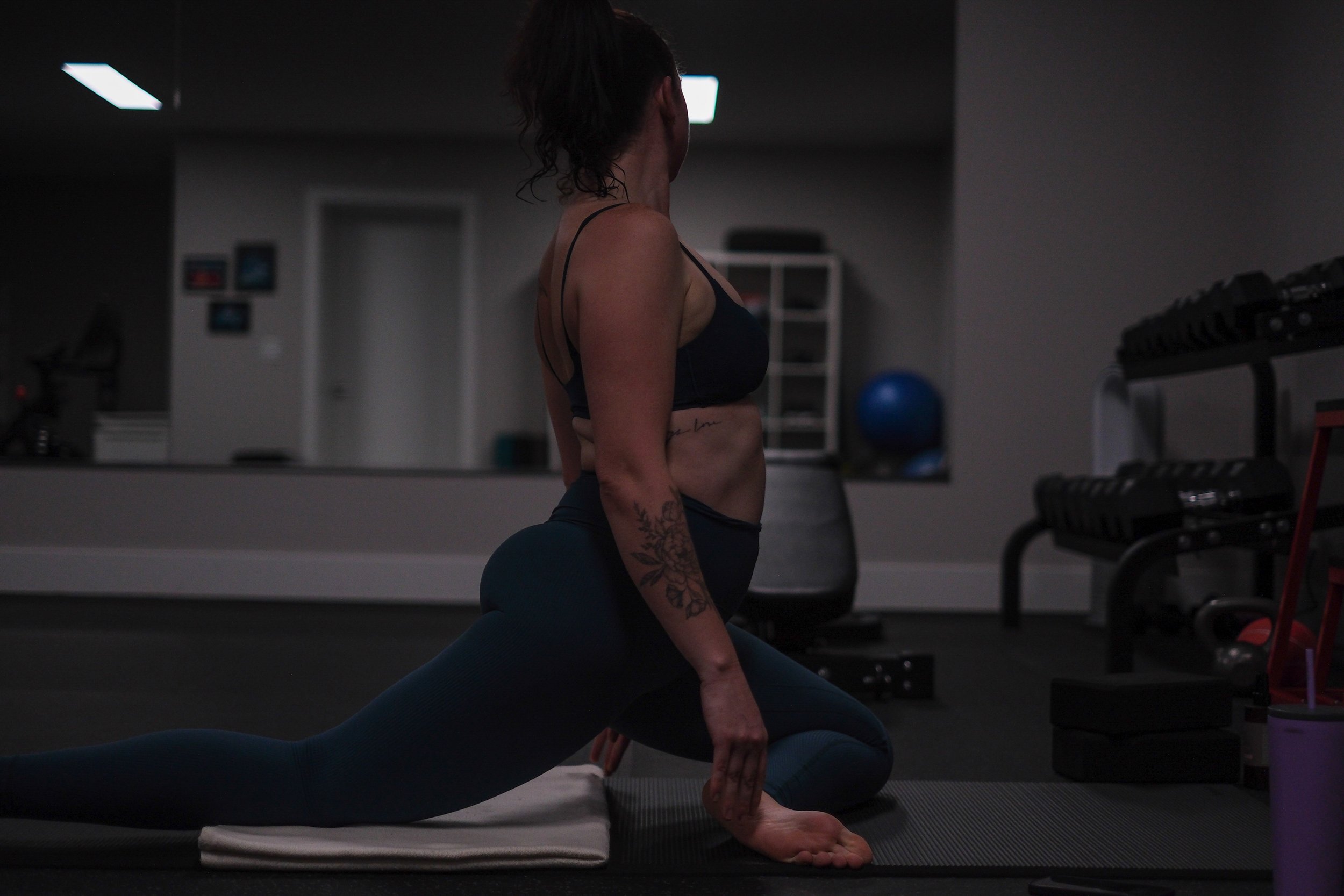
Mobility work
Good nutrition
Sauna + cold exposure
Sleep
Electrolytes and hydration
Listening to my body better
Is Red Light Therapy Worth It?
For me, yes.
Especially if you:
Train consistently
Deal with chronic soreness or inflammation
Hike or run frequently
Are rebuilding strength postpartum
Want a recovery tool you can realistically use at home
The biggest thing is consistency. I’ve noticed the most benefit from using it regularly rather than just occasionally after hard efforts.
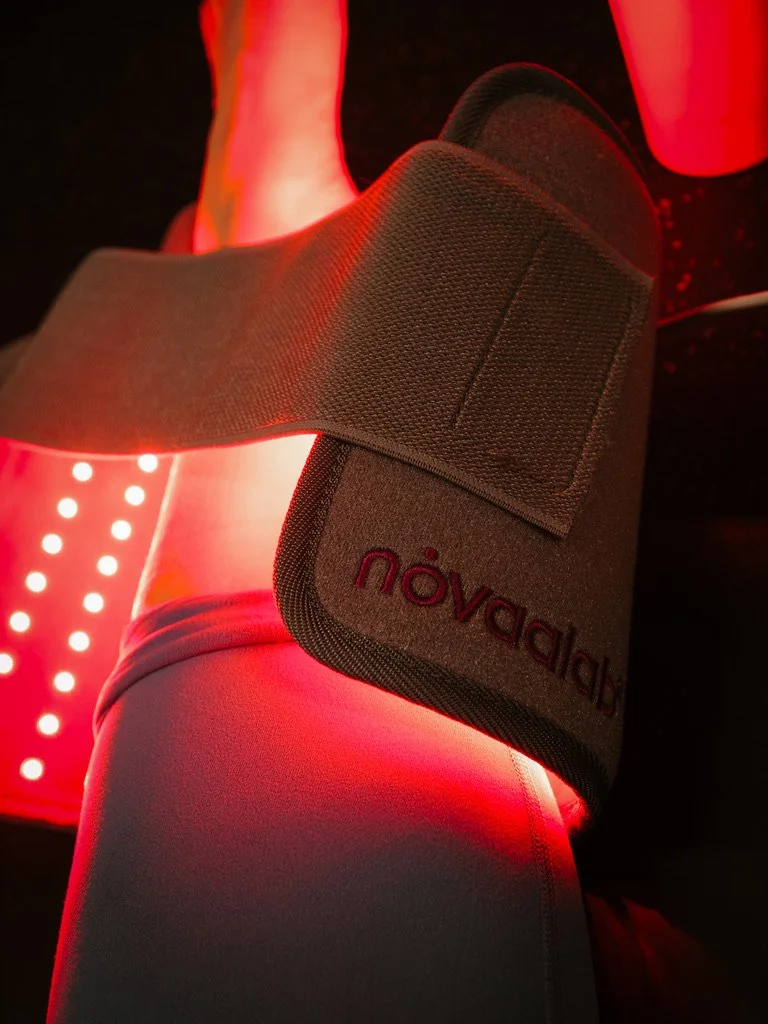
If you’re curious about trying it yourself, this is the exact Novaa Lab Light Pad I’ve been using:
The older I get, the more I’m realizing recovery isn’t separate from training — it’s part of training.
And honestly, learning how to recover better has probably made me a stronger athlete than simply pushing harder ever did.
Heading into this summer, I’m feeling stronger, more prepared, and more excited for big mountain days again — and this little recovery setup has absolutely played a role in that.