Deuter Kid Comfort Active SL vs. Kid Comfort Pro: Which Child Carrier Is Right for Your Family?
If you’re trying to choose between the Deuter Kid Comfort Active SL and the Kid Comfort Pro, this guide breaks down the differences that matter most on the trail—including adult fit, carrier weight, storage, hydration compatibility, sun protection, accessories and comfort when carrying an older child.
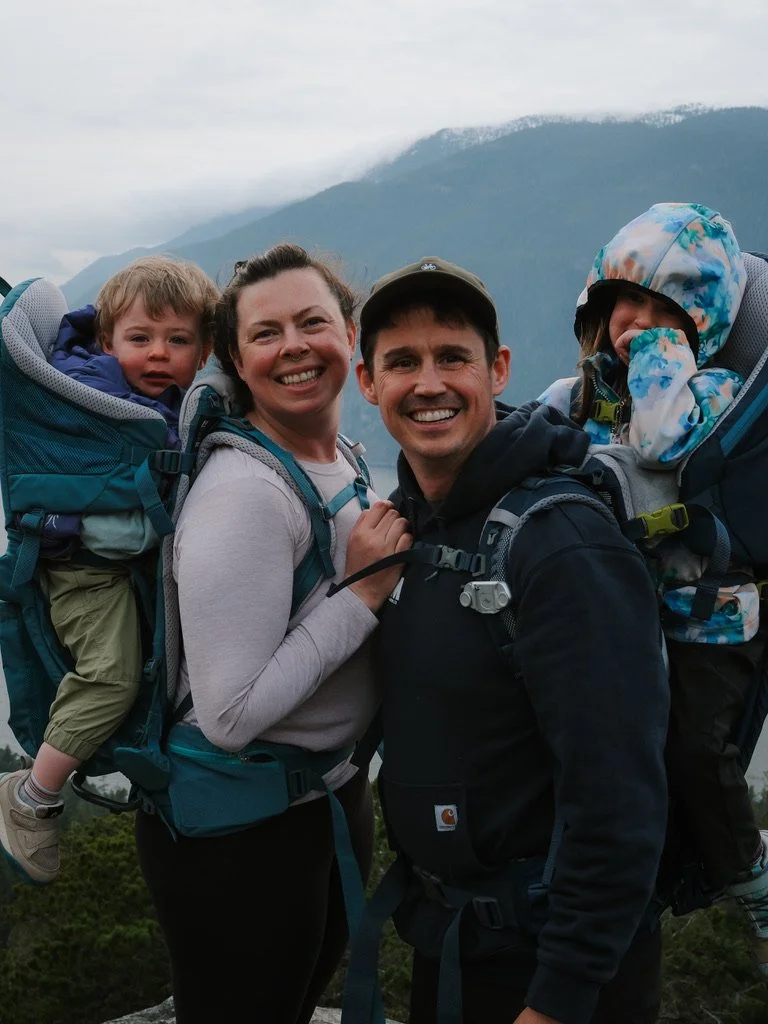
We’ve used the Kid Comfort Active SL for three summers and added the Kid Comfort Pro to our gear lineup at the beginning of this year, giving us a full hiking season to test the two carriers side by side.
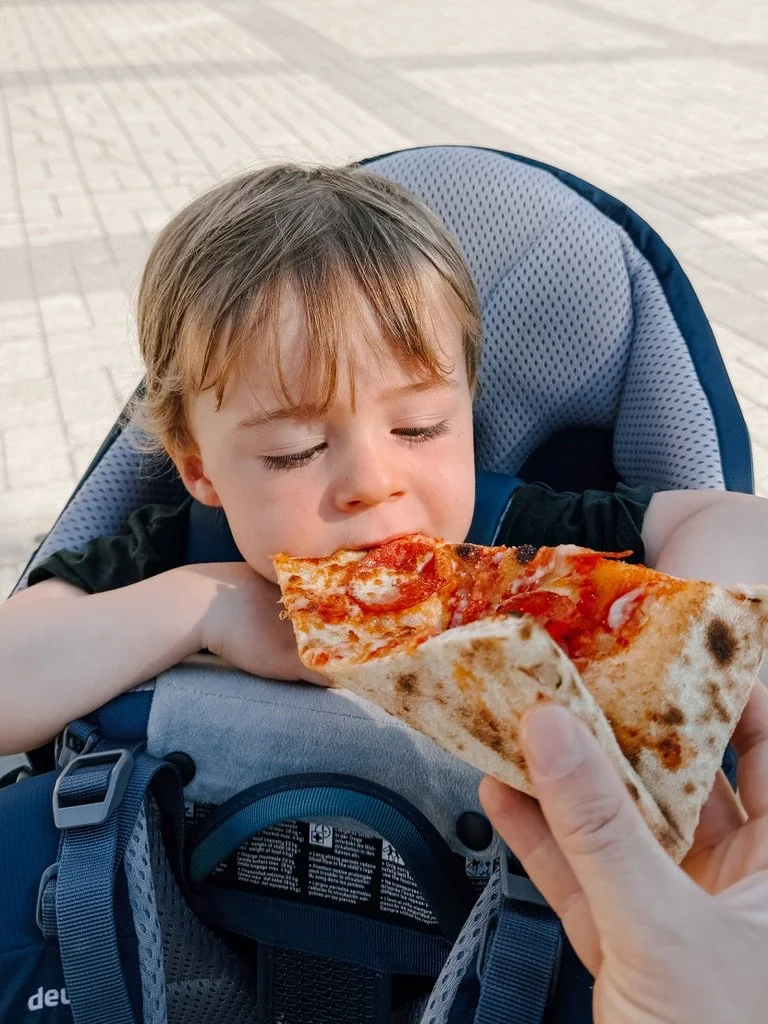
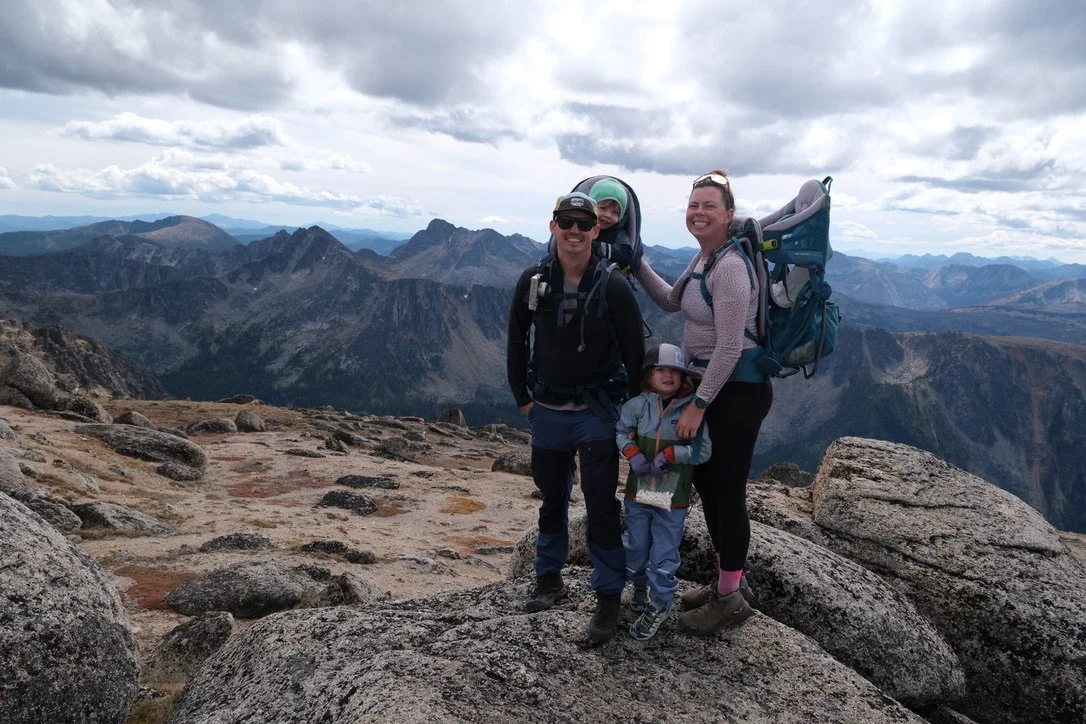
Both of our kids are now over two, and we’ve found Deuter to be the best child-carrier option for this stage of family hiking. River is two and loves climbing into the carrier through the side opening himself. Aspen is five and right at the top of its weight limit, but when we’re out hiking for eight hours or more some days, she still needs help covering the distance.
There isn’t another carrier we could picture Aspen being as comfortable in as the Kid Comfort Pro—for as long as Matt can manage to carry her!
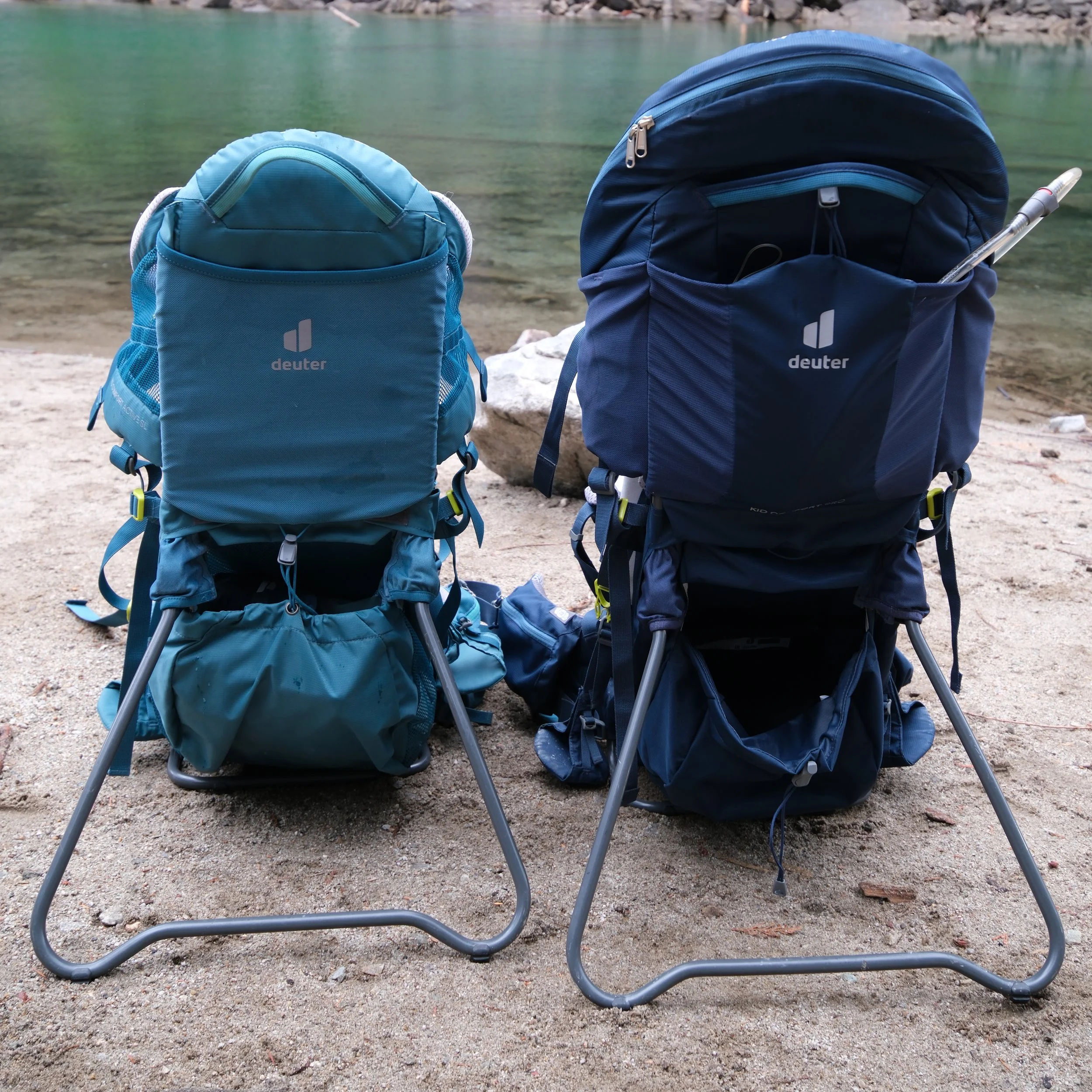
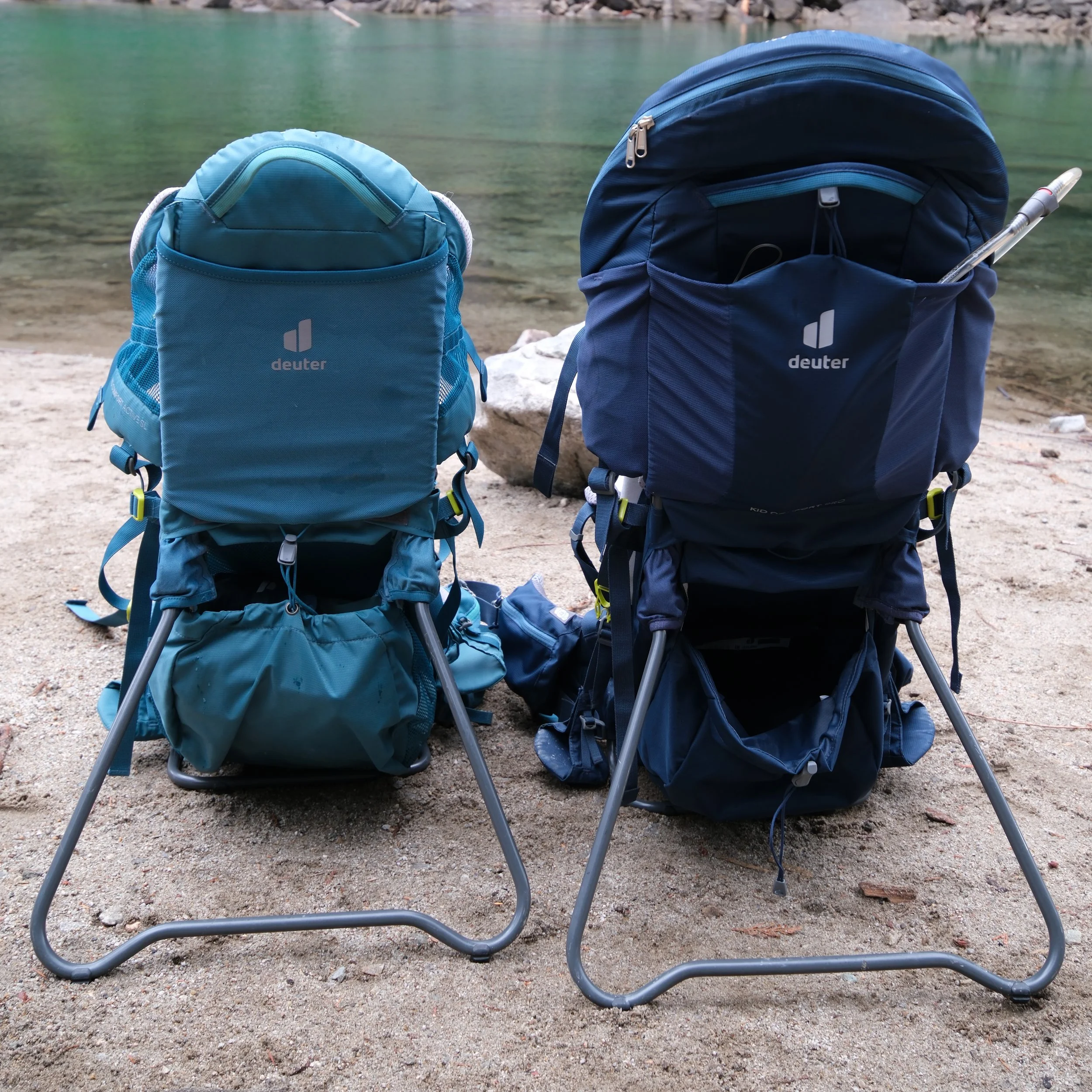
Both carriers are excellent, but they suit different hikers. The Active SL prioritizes low weight and a smaller adult fit, while the Pro is designed around maximum support, convenient features and long days on the trail.
The Four Deuter Kid Comfort Carriers
Deuter actually makes four carriers in the Kid Comfort lineup, so there is likely an option for almost every family and body type:
Kid Comfort Active: The lightweight model with a unisex adult fit.
Kid Comfort Active SL: The lightweight model with a shorter back and narrower women’s-specific fit.
Kid Comfort: A middle-ground option with the supportive Aircomfort back system and a removable sunshade.
Kid Comfort Pro: The most fully featured model, with a built-in sunshade, hydration compatibility, mirror and removable daypack.
We have only personally tested the Active SL and Pro, so those are the two models we’ll focus on in this guide. The other options are worth knowing about, particularly if you like the lightweight design of the Active SL but need a longer unisex fit—or want the Aircomfort system without every extra included with the Pro.
The Quick Answer
Choose the Deuter Kid Comfort Active SL if:
You have a shorter or slimmer torso.
Keeping the carrier itself as light as possible is a priority.
You usually hike with another adult who can carry extra gear.
You mainly take shorter hikes or pack minimally.
You don’t mind purchasing the sunshade separately.
Choose the Deuter Kid Comfort Pro if:
You regularly take full-day hikes.
You’re carrying an older or heavier child.
Maximum support and weight distribution are more important than pack weight.
You want more organized storage and easier hydration access.
You want a built-in sunshade, larger chin pad, mirror and removable daypack.
More than one adult will be sharing the carrier.
For our family, the Active SL is the better lightweight option, but the Kid Comfort Pro is our choice for long days and carrying an older child.
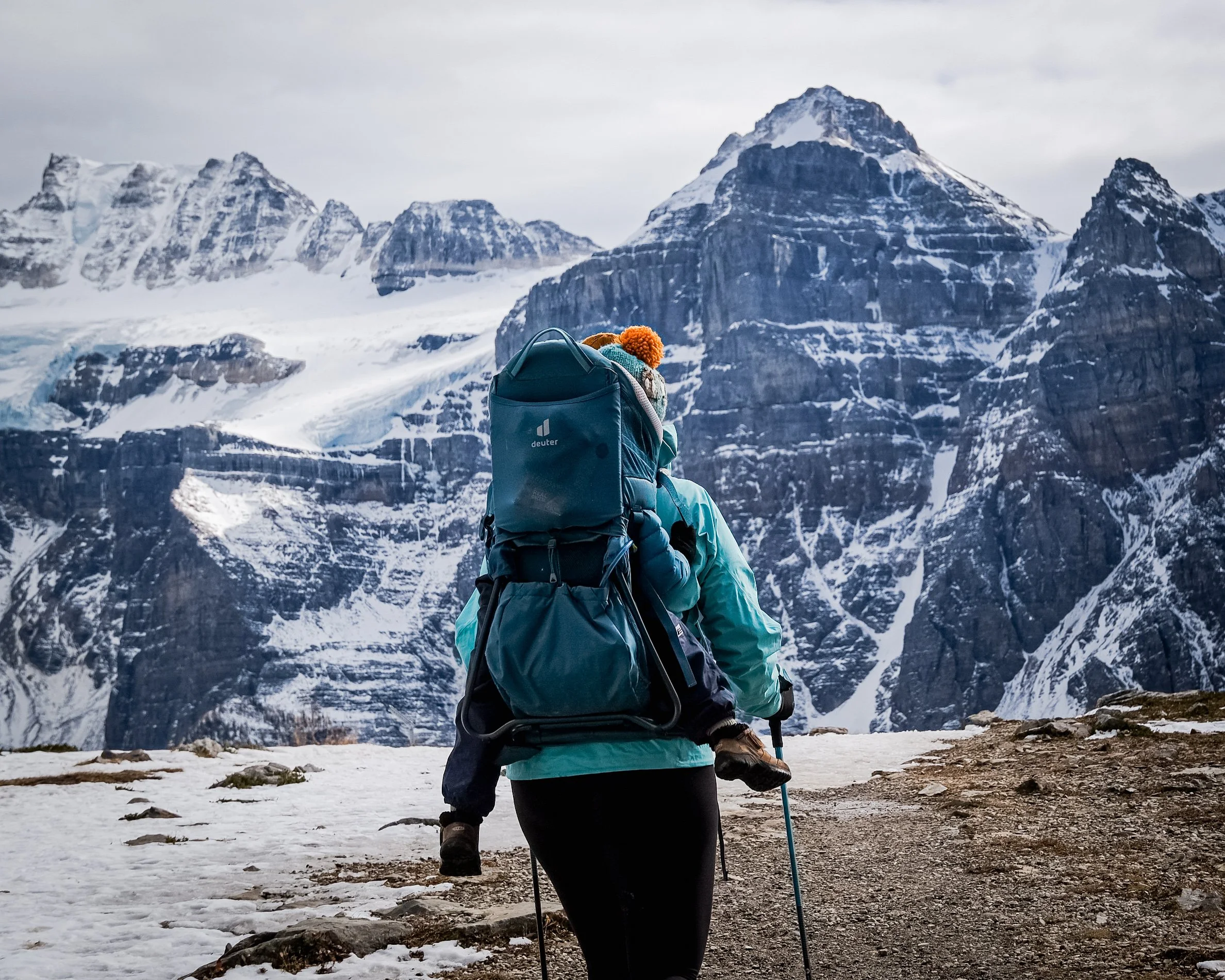
What Both Deuter Child Carriers Have in Common
Before getting into the differences, there are several reasons we think Deuter makes some of the best child carriers for older kids.
Both models include:
A side entry that lets toddlers climb into the seat more independently
An adjustable child seat and safety harness
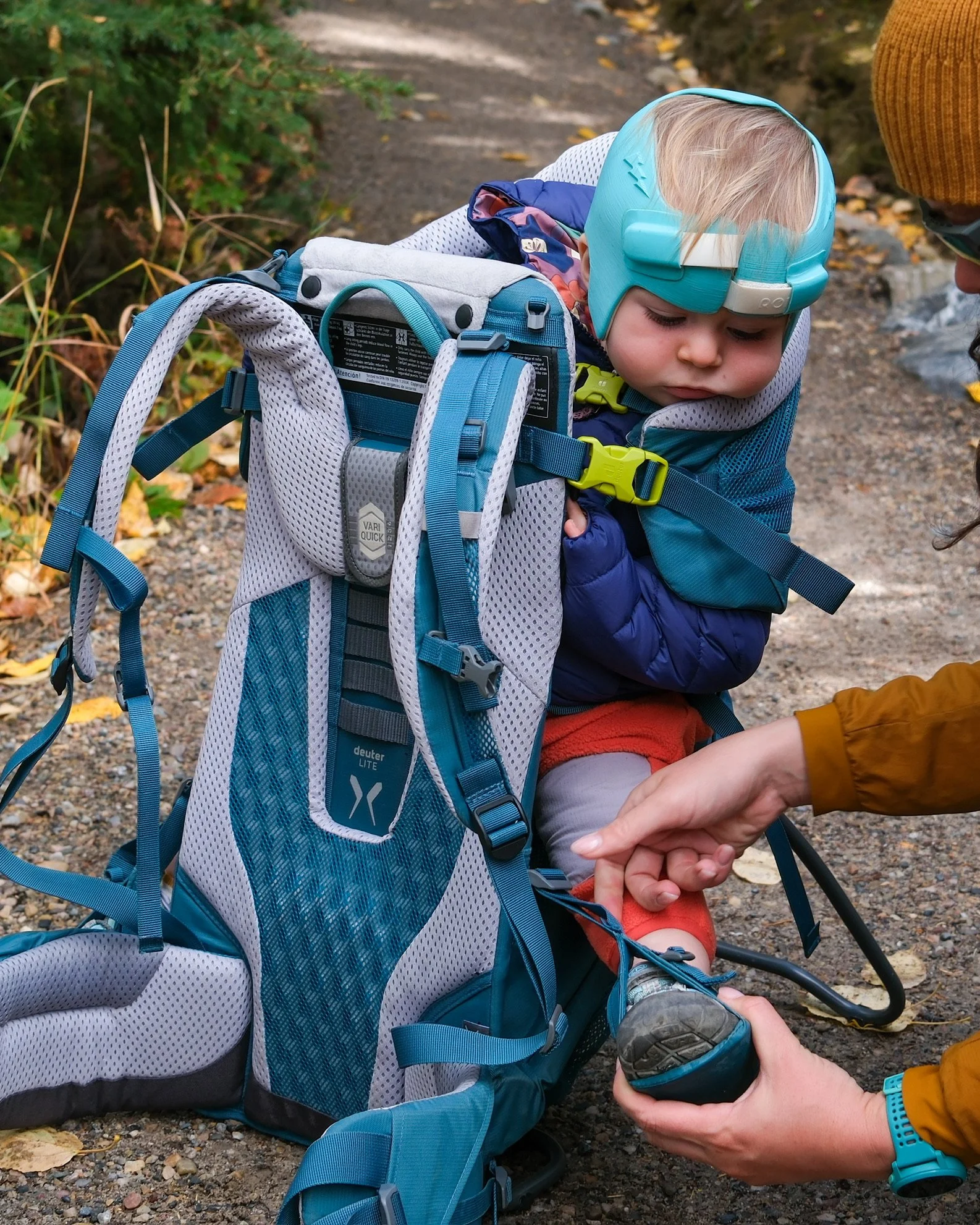
Height-adjustable foot loops
An adjustable adult back length
A padded hip belt and sternum strap
Load-adjustment straps
A stable aluminum frame and fold-out base
A removable, washable chin pad
A 12-litre storage capacity
TÜV/GS safety certification
A PFAS-free water-repellent finish
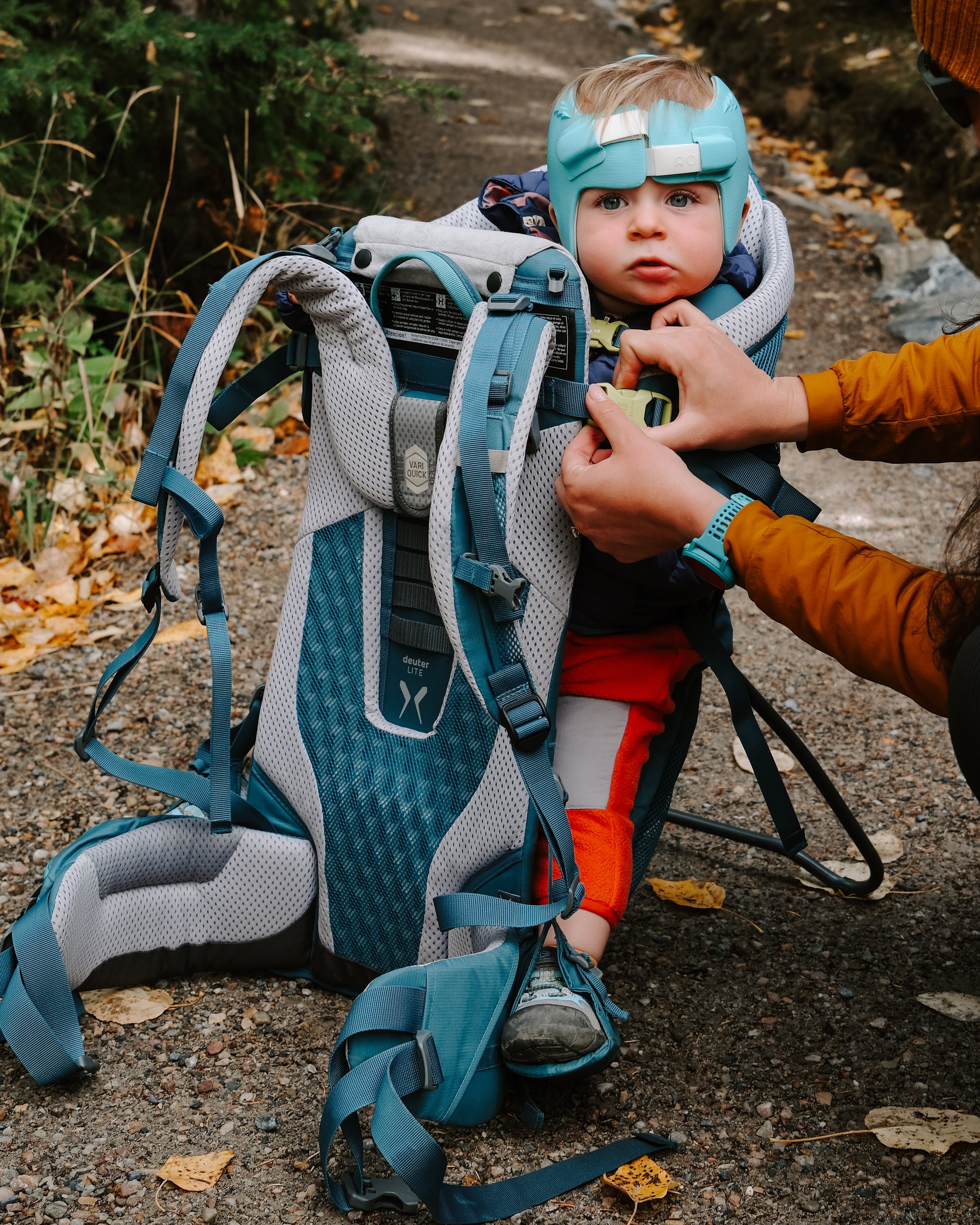
The side entry has been one of the biggest wins for us. River and Aspen love being able to climb in themselves, which makes them far more willing to use the carrier.
Both carriers are designed for children who can sit upright independently—generally from around nine months—and have the same official weight limits:
Maximum child weight: 18 kg (approximately 40 lb)
Maximum gear weight: 4 kg (approximately 9 lb)
Maximum combined load: 22 kg (approximately 49 lb)
Height is much less important than weight because the child’s seat and footrests can be adjusted as they grow. Aspen is five and can still sit comfortably in the Pro, but she is now at the very top of the child weight limit.
Deuter Kid Comfort Active SL: The Lightweight Option
TheDeuter Kid Comfort Active SL is the women’s-specific—or Slim Line—version of the Kid Comfort Active.
It weighs 2.65 kg (5.8 lb), making it 900 g (approximately 2 lb) lighter than the Kid Comfort Pro. That difference may not sound huge until you add a toddler, water, snacks, layers and everything else children require on the trail.
Active SL Fit
The Active SL has:
A 35–56 cm adjustable back length
A recommended adult height range of approximately 158–178 cm
Narrower shoulder straps
A shorter carrying system
Conically shaped hip fins designed for a slimmer build
Although it is described as a women’s-specific carrier, the label matters less than the actual fit. It is best suited to adults with a shorter back, narrower shoulders or a slimmer frame.
I chose the Active SL because I expected to be its primary user. Matt has also worn it comfortably, but taller adults—or families switching frequently between very different body types—may find the Pro’s wider fit range more convenient.
What We Like About the Active SL
The lighter pack weight is the obvious advantage, but it also feels compact and close to the body. On narrower trails or outings where we don’t need to bring a full day’s worth of gear, it is less cumbersome than the Pro.
The Lite back system still provides ventilation and load support without adding unnecessary bulk. We’ve been impressed by how stable it feels, even with an older toddler in the seat.
It also costs less than the Pro, although you need to factor in any accessories you plan to add.
Where the Active SL Makes Compromises
The biggest compromise is storage organization.
Although the carrier has 12 litres of capacity, most of that space is found in an open compartment beneath the child and an elastic front pocket. There is also a small zippered hip-belt pocket, but you don’t get the same number of convenient compartments found on the Pro.
Hydration also requires more planning. The current Active SL specifications do not list a dedicated hydration compartment, so carrying a bladder uses some of the already-limited gear space. We’ve made it work, but the setup took some trial and error and is not nearly as streamlined as the Pro’s dedicated system.
The Active SL includes adjustable foot loops and a small removable chin pad, but the sunshade is sold separately. Once you add the optional sunshade, you also need somewhere to store it when it isn’t in use.
Deuter Kid Comfort Pro: Built for Long Days
TheDeuter Kid Comfort Pro is the larger and more fully featured option.
It weighs 3.55 kg (7.8 lb), so it is noticeably heavier before your child or any gear is added. However, that extra weight comes with a more supportive carrying system, more useful features and a setup that feels better suited to long days.
Kid Comfort Pro Fit
The Pro has:
A 44–58 cm adjustable back length
A recommended adult height range of approximately 158–195 cm
Deuter’s VariSlide adjustment system
Flexible VariFlex hip fins
An Aircomfort ventilated back system
A unisex fit
The wider adjustment range makes the Pro the better choice when adults of different heights will be sharing the carrier.
The flexible hip fins move with the person carrying the pack, while the frame and back system help transfer the load onto the hips. When your child is approaching 18 kg, effective weight distribution matters much more than saving a few hundred grams on the empty carrier.
Why We Prefer the Pro for an Older Child
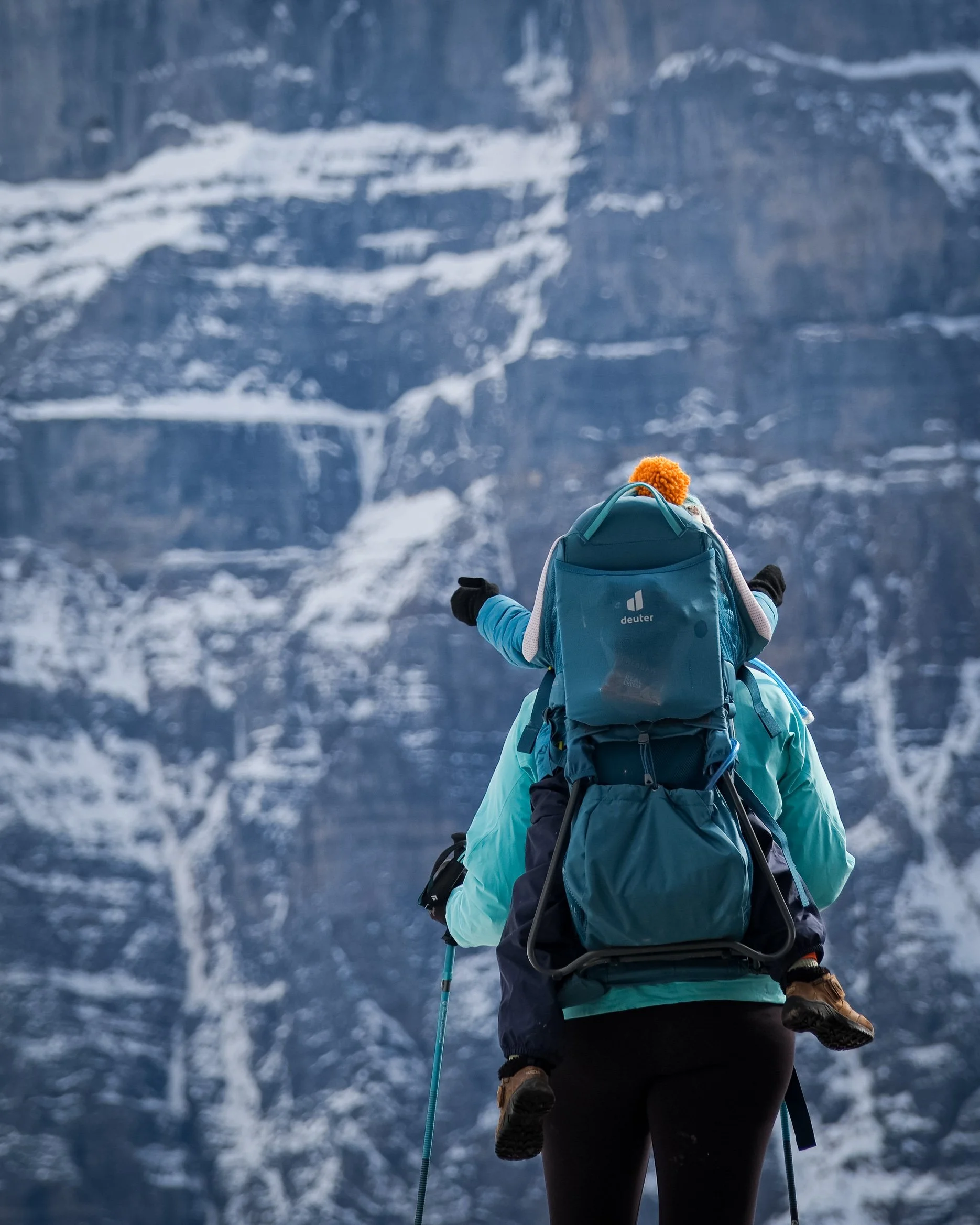
Aspen is comfortable in the Pro in a way we haven’t found with other carriers at her age. The cockpit feels supportive without being restrictive, and the larger chin pad gives her somewhere comfortable to rest when she gets tired.
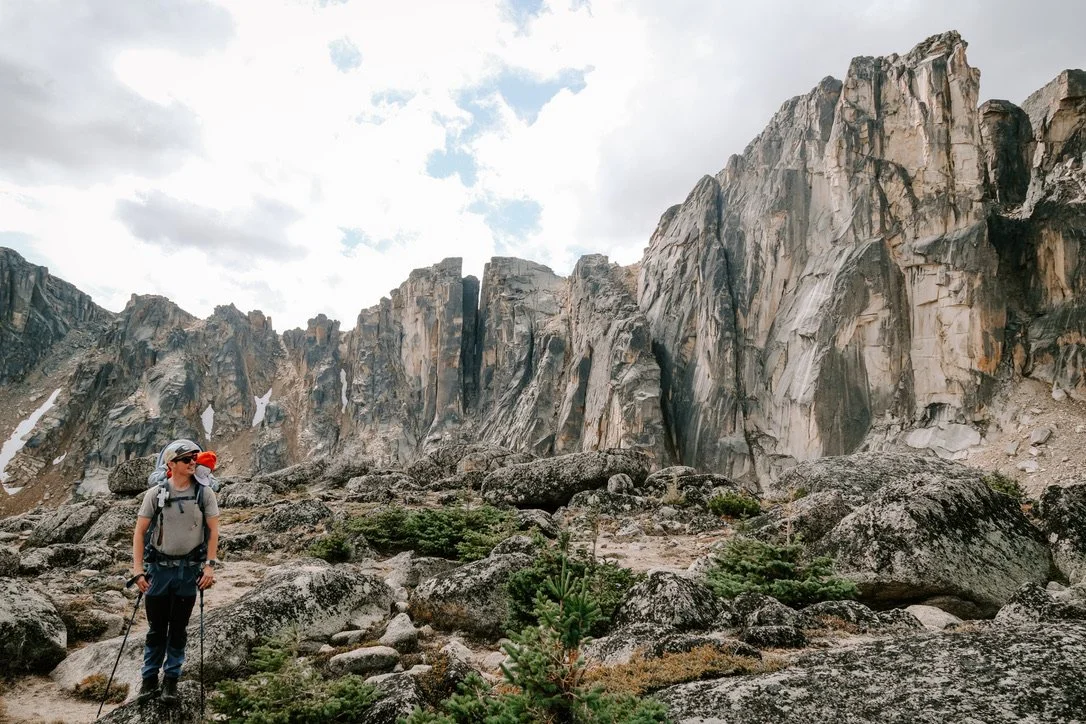
On our eight-hour-plus hiking days, she will usually hike sections herself and then use the carrier when she needs a break. The side entry makes those frequent transitions relatively simple, even with a bigger child.
Of course, comfort for the child doesn’t make 18 kg feel light for the adult carrying them! There is a physical limit to how long Matt can carry her, but the Pro distributes that weight better than any other carrier we’ve tried.
Sunshade and Weather Protection
This is one of the clearest differences between the two carriers.
Active SL
The Active SL does not include a sunshade. The compatibleDeuter KC Sun Roof is sold separately and weighs approximately 160 g.
The separate shade works well once attached, but it adds another item to purchase, pack and remember.
Kid Comfort Pro
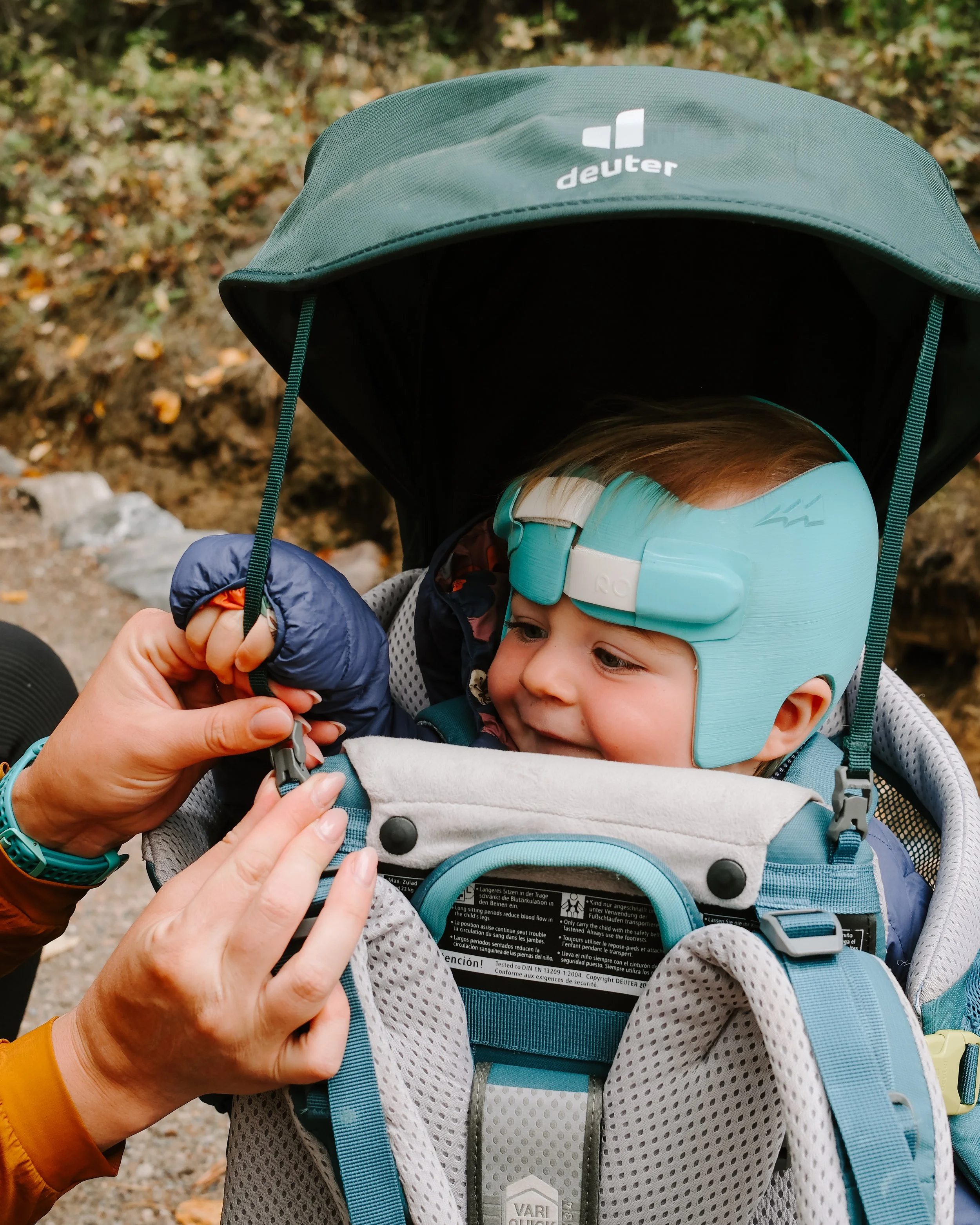
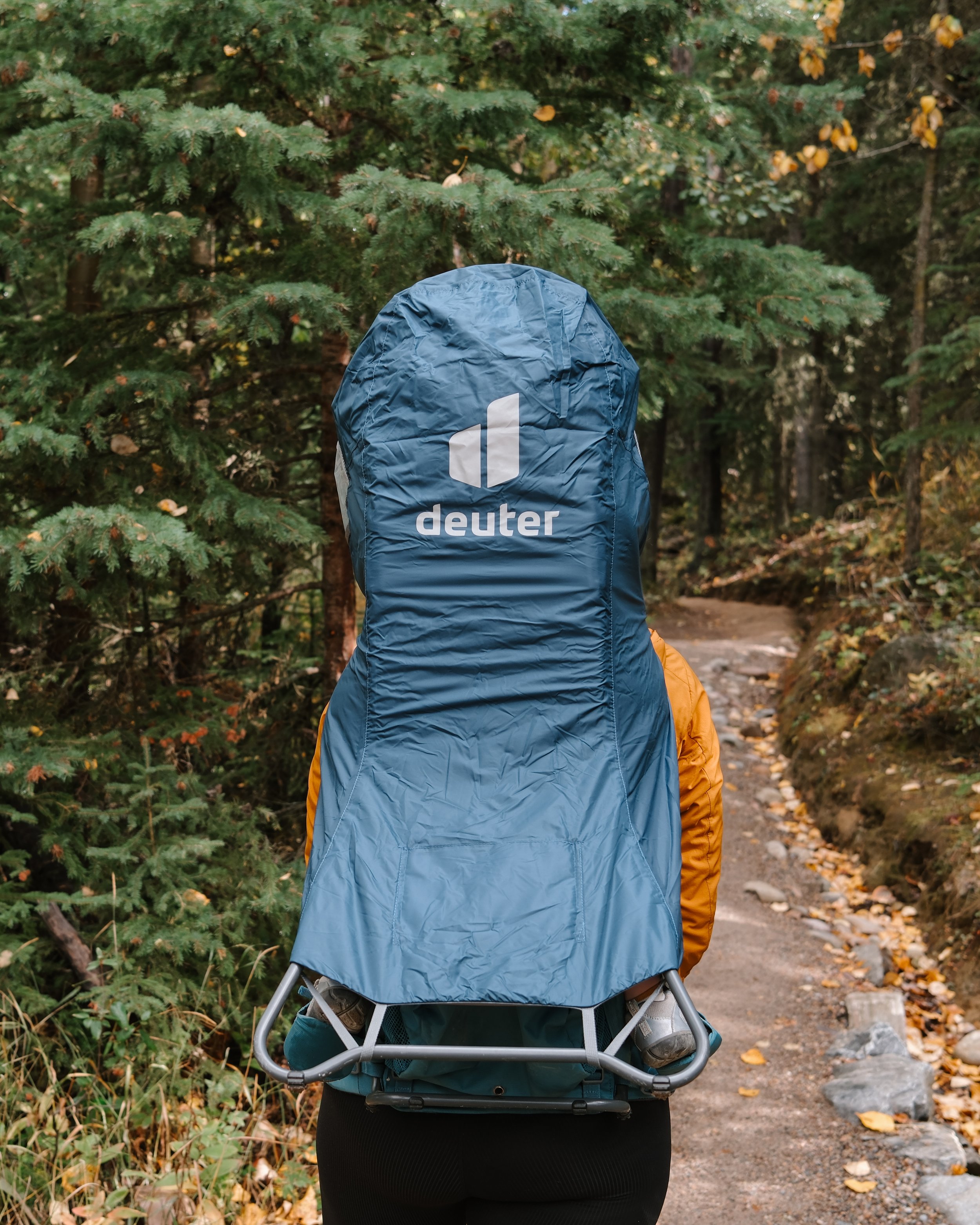
The Pro’s sunshade is permanently integrated into the carrier. It folds into its own compartment and can be pulled out quickly when the sun appears.
For us, this is much more convenient than packing the shade separately—especially in the mountains, where conditions can change quickly.
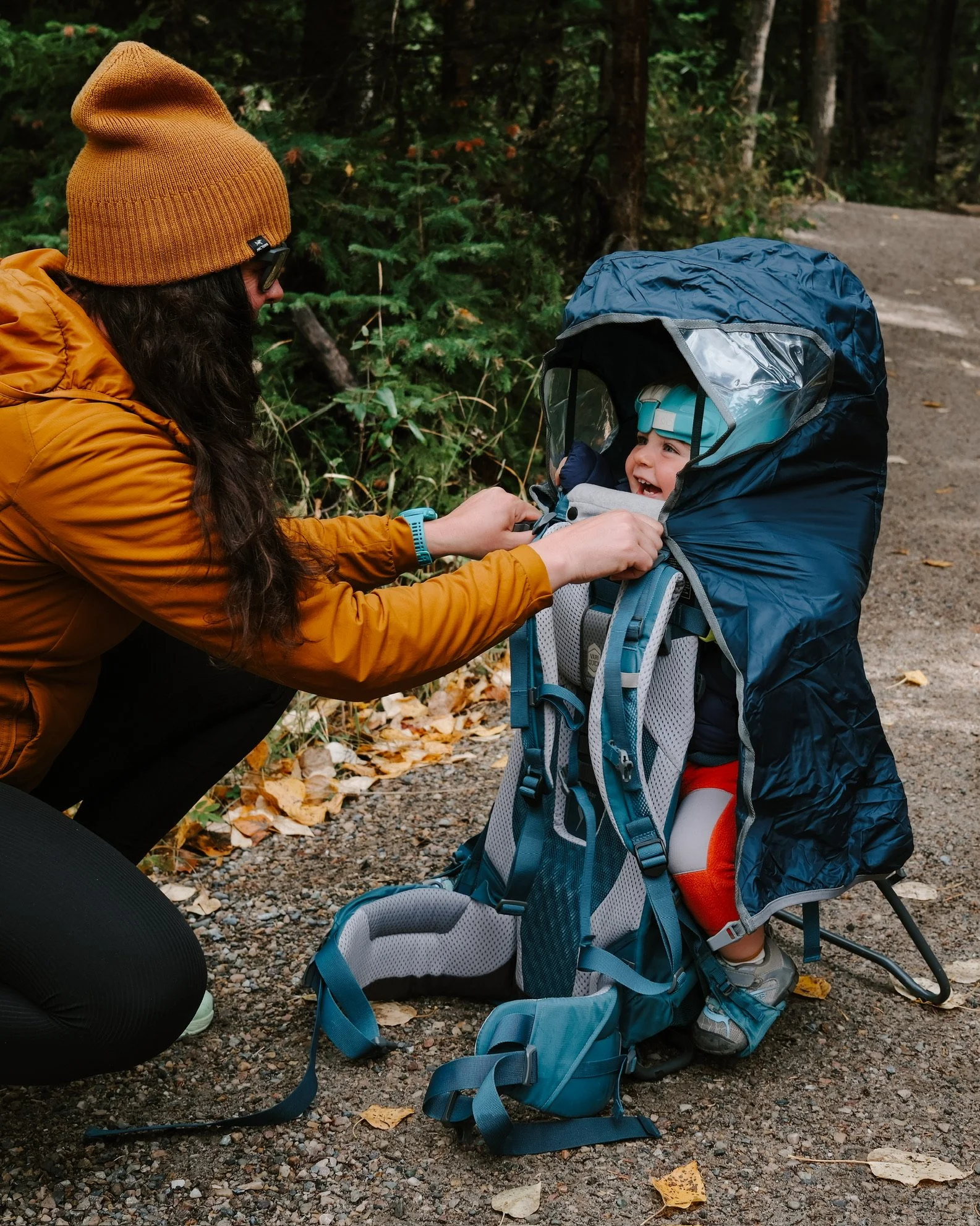
Deuter’s full Raincover Deluxe is sold separately for both carriers. It is designed to work with a sunshade, so Active SL owners will need the optional Sun Roof before using the full rain cover.
Storage and Pockets
Both carriers are listed with 12 litres of main storage, but they use that space very differently.
Active SL Storage
The Active SL keeps things simple:
A large ventilated compartment beneath the child
An elastic front pocket
A small zippered hip-belt pocket
No dedicated bottle pocket
No officially listed hydration sleeve
This can be enough for shorter hikes, particularly if another adult is carrying the family’s water, layers and emergency gear. For a long day, however, we generally need a second pack.
Kid Comfort Pro Storage
The Pro offers:
A divided main storage compartment
Three outer pockets
Hip-belt storage
A dedicated hydration compartment compatible with systems up to three litres
An integrated 10-litre removable daypack
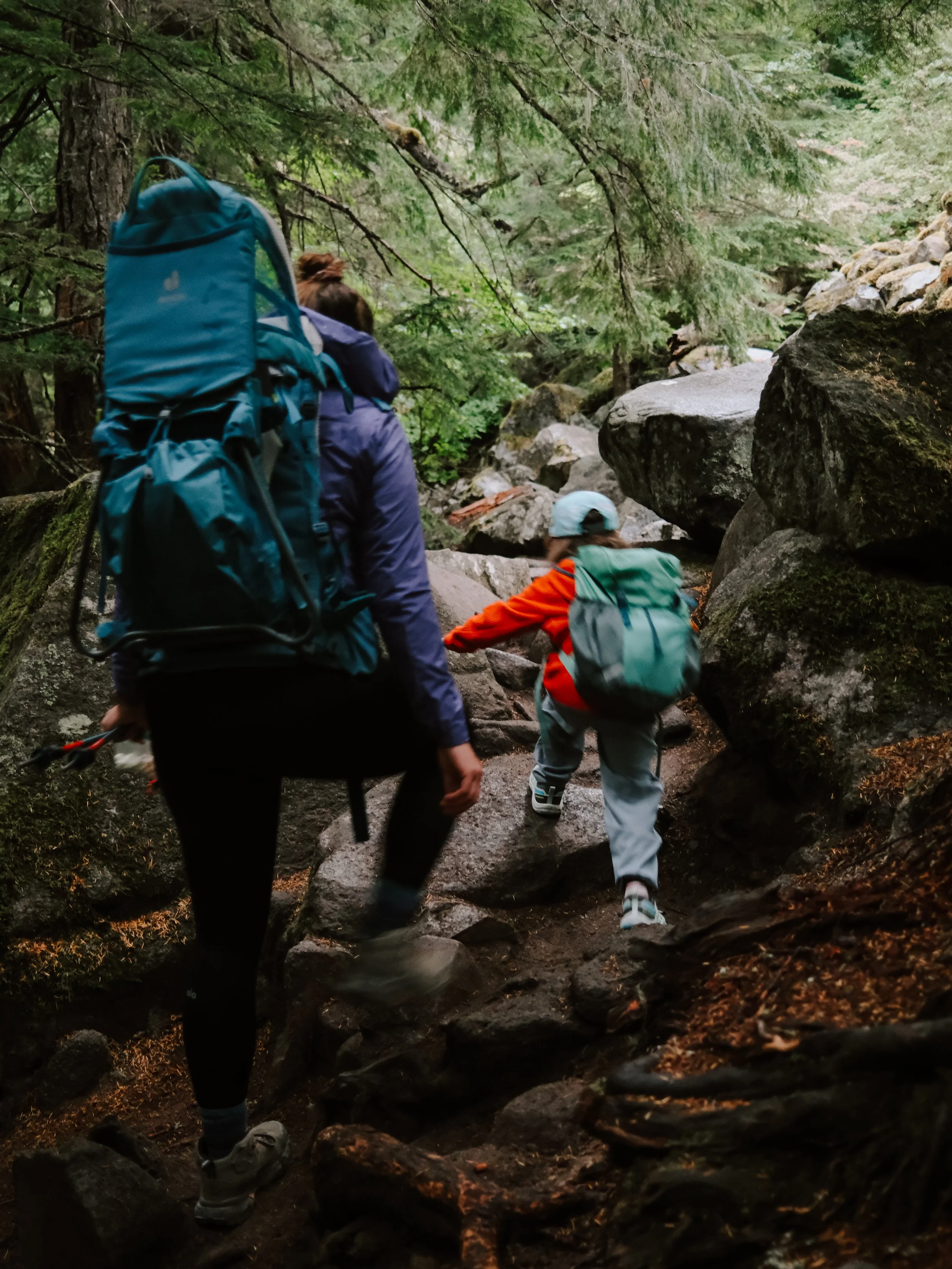
The detachable daypack can be worn separately or clipped to the front of the carrier. It is useful for diaper-changing supplies, snacks or items you want to bring with you when leaving the main carrier behind.
Neither carrier eliminates the need to pack thoughtfully. A child can use most of the available load capacity before you add water and gear, and carrying every family essential in one carrier can become heavy very quickly.
Included Features and Accessories
The Active SL comes with:
Height-adjustable foot loops
A small removable and washable chin pad
The Lite back system
Available separately:
KC Sun Roof
Raincover Deluxe
Larger ergonomic chin pad
The Kid Comfort Pro comes with:
Height-adjustable foot loops
A large ergonomic and washable chin pad
A fixed, integrated sunshade
A rear-view mirror stored in the hip pocket
A removable 10-litre daypack
A hydration compartment compatible with reservoirs up to three litres
The Aircomfort back system
Available separately:
Raincover Deluxe
The mirror initially sounded like a small bonus, but it is surprisingly useful. It lets the person carrying the pack check whether a child is awake, asleep, wearing their hat or quietly launching snacks onto the trail.
Which Carrier Is More Comfortable for the Adult?
This comes down to both body shape and how much weight you’re carrying.
The Active SL feels lighter and more compact. For someone with a shorter torso, a correctly fitted Active SL may be much more comfortable than a larger carrier—even if the larger carrier has a more substantial suspension system.
The Pro feels heavier when empty, but we prefer its load distribution once the child and gear become heavy. Its Aircomfort back system creates space for airflow, while the flexible hip fins help the carrier move with your body.
Whichever model you choose, take time to adjust:
The adult back length
The position of the hip belt
The shoulder and load-lifter straps
The sternum strap
The child’s seat height
The child’s harness and foot loops
Small adjustments can make a major difference, especially when carrying more than 10 kg for several hours.
If possible, try the carrier with your child inside and some realistic gear packed—not empty on a store floor.
Which Deuter Child Carrier Would We Choose?
If I were choosing a carrier primarily for myself, wanted the lightest setup possible and knew another adult would carry most of our extra gear, I would choose the Kid Comfort Active SL.
It is comfortable, stable and impressively light for a framed child carrier. It has also worked well beyond the baby stage, which is one of the main reasons we’ve continued using it for two summers.
If I were buying one carrier for long family hikes, carrying an older child or sharing the carrier between adults, I would choose the Kid Comfort Pro.
The built-in shade, larger chin pad, better hydration setup, removable daypack and more supportive suspension justify the extra weight for the type of hiking we do. It is now our first choice when Aspen may need to be carried or when we expect to spend most of the day on the trail.
When Aspen Is Hiking on Her Own
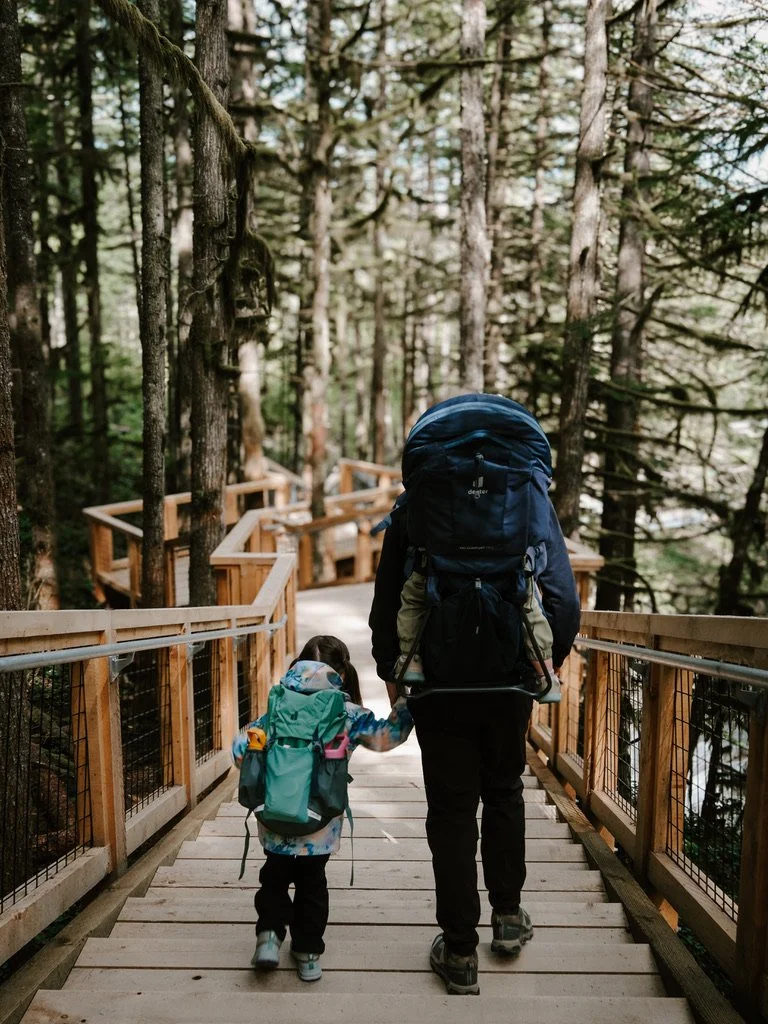
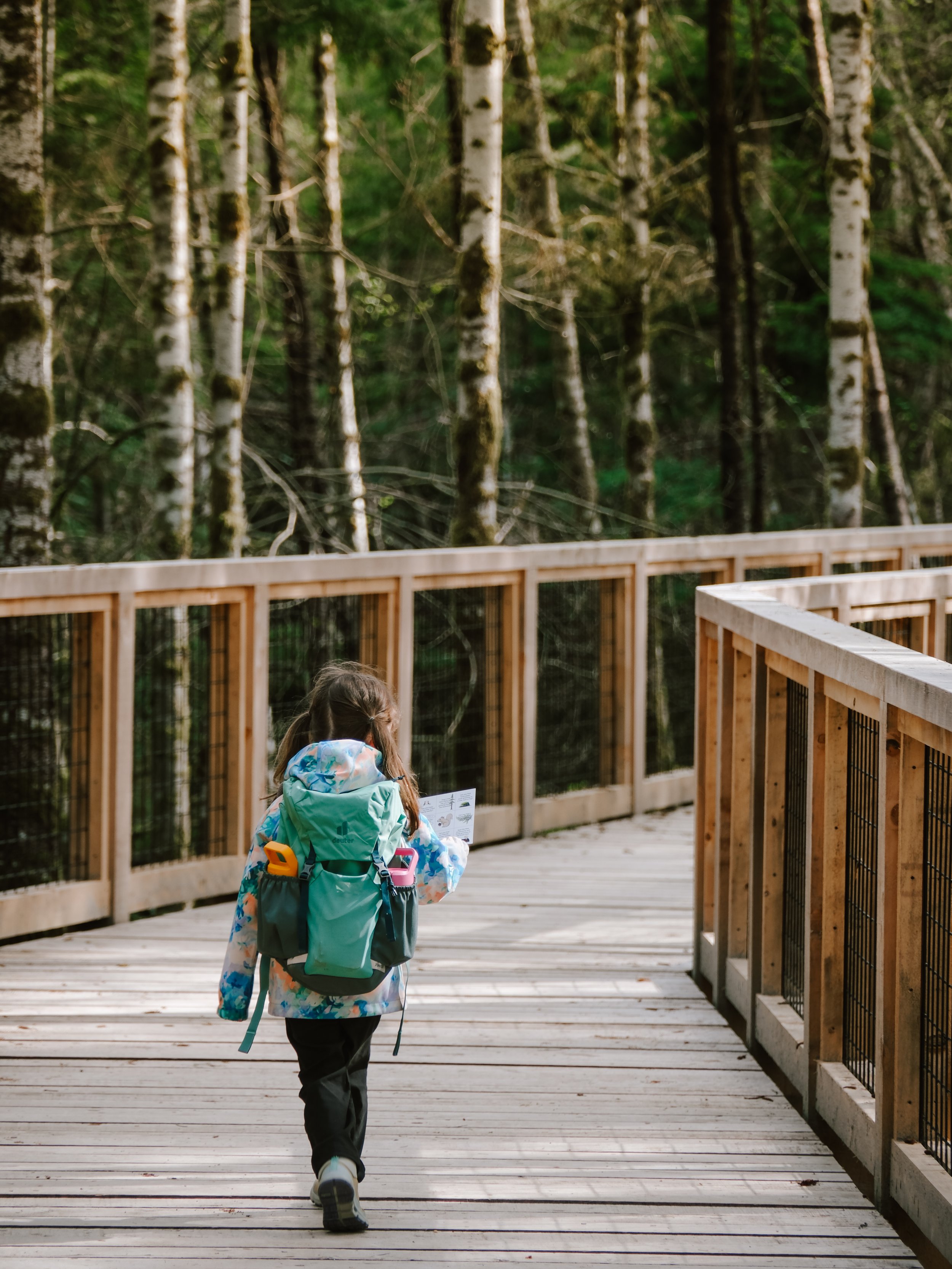
Aspen doesn’t spend our entire hike in the carrier. At five, she covers a lot of the trail on her own and only climbs into the Pro when she needs a break.
When she is hiking, she loves carrying her ownDeuter Junior Kids Outdoor Backpack. It is sized for young hikers and gives her space for a few lightweight essentials without overwhelming her.
Having her own pack makes Aspen feel involved in getting ready for the trail, but we are careful about how much weight goes inside it. Kids should not simply carry everything that fits.
For age-based Deuter pack recommendations and tips on deciding what your child should carry, read our guide to how much weight kids should carry in their day pack.
Where We Got Our Deuter Carriers
Both of our carriers came fromROI Recreation Outfitters, Deuter’s exclusive Canadian distributor.
Their team doesn’t just sell outdoor gear—they use it and understand the differences between Deuter’s fit systems. That knowledge can be especially helpful when choosing a child carrier, where your torso length and body shape matter just as much as the list of included features.
If you aren’t sure which Kid Comfort model will fit you best, ROI Recreation is a great Canadian resource for comparing the options and finding the right carrier for your family.
Our Final Verdict
The Active SL and Kid Comfort Pro are not simply a basic and premium version of the same carrier.
The Active SL is best for smaller-framed adults who value low weight and pack minimally.
The Kid Comfort Pro is best for long days, heavier children, shared use and families who want every feature built in.
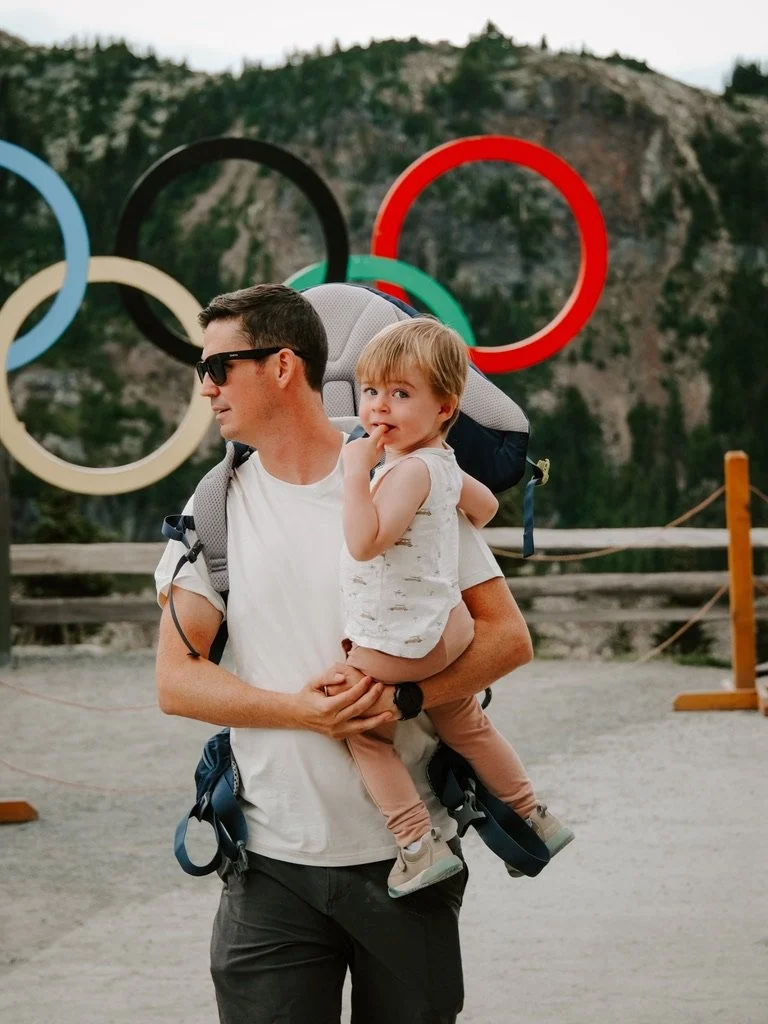
With River at two and Aspen at five, Deuter has been the best option we’ve found for continuing to hike bigger days as a family. River is excited to climb in, Aspen remains comfortable at the upper end of the weight limit and we can keep choosing trails based on the experience we want—not only on how far little legs can walk.
Our kids may be getting bigger, but we aren’t ready to give up those long mountain days just yet.